Most buyers and sellers who have moved through a New Jersey closing once assume they know the drill: somewhere near the finish line, a town inspector shows up, checks a box, and issues a resale Certificate of Occupancy. It happens in plenty of Mercer County towns. It does not happen in Princeton.
Princeton has no resale CO requirement at all. That sounds like less paperwork. In practice, it means the town split the job a single certificate would normally do into three separate certifications, run out of three separate offices, on three separate clocks, and a homeowner working from the "get the CO" mental model can miss all three because there is no single form to chase.
The Certificate Princeton Skips, and What Fills the Gap
According to Princeton's own Selling Your Home page, a seller doesn't apply for one certificate of occupancy. Instead, three things have to clear before or at closing:
- A Fire Safety smoke and carbon monoxide detector certification from the Bureau of Fire Safety
- A Construction Records Clearance from the Building Department
- If the property has a sump pump or other surface drain, an Affidavit of Compliance filed with the Princeton Sewer Operating Committee confirming the drain isn't tied into the sanitary sewer
None of these is labeled a Certificate of Occupancy. Each has its own office, its own fee schedule, and its own timing rules, and each is easy to overlook if you're working from a mental checklist built in a different town.
The fee structure on the fire safety piece is worth sitting with, because it functions less like a flat fee and more like a deadline enforcement mechanism.
| When you apply | Certificate fee |
|---|---|
| More than 10 days before closing | $45 per unit |
| 4 to 10 days before closing | $90 per unit |
| Less than 4 days before closing | $161 per unit |
File early and the fee is modest. Wait until the week of closing and it more than triples. That's not a random schedule. It's the town pricing procrastination, and it means the sellers who get surprised at the closing table are usually the ones who assumed, correctly in most NJ towns, that this kind of thing gets handled in the final days of a deal. In Princeton, the final days are exactly when it costs the most.
The sewer piece has its own quirk. The Sewer Operating Committee is not currently conducting its own inspections, according to the town's page, which means the affidavit today runs on a self-certification basis rather than a scheduled town visit, with a fee only if the owner specifically requests an inspection. That's a meaningfully different process than the fire safety certificate, and conflating the two is an easy mistake for anyone new to the town.
The Second Friction Point Sits Inside the House, Not at the Closing Table
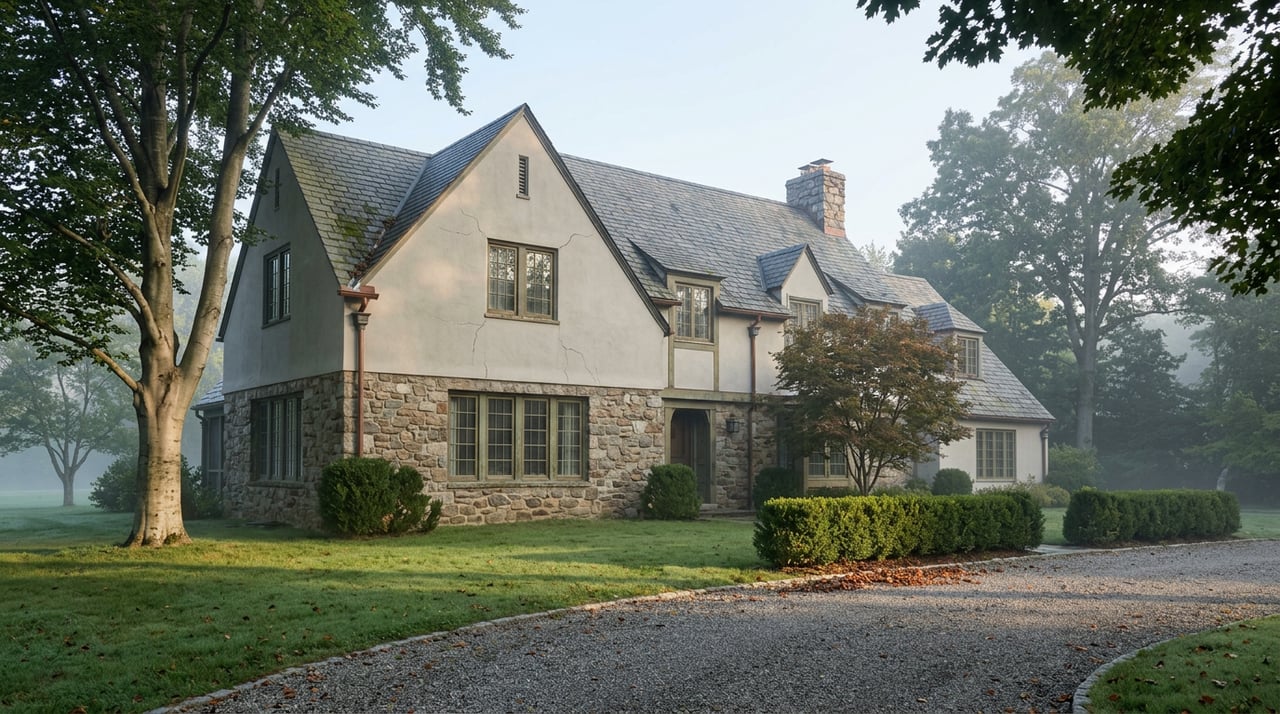
The certification bundle above applies to every seller in Princeton. A second layer applies only if the house sits inside one of the town's 21 designated historic preservation overlay districts, which cover a meaningful share of Princeton's older housing stock, including large parts of the Western Section, the Witherspoon-Jackson neighborhood, the Central Business District along Nassau Street, and stretches of Mercer Street lined with 19th-century houses.
Inside those districts, ordinary building permits don't cover exterior changes. A separate Historic Preservation Commission review does, and it applies to more than additions and demolitions. Recent HPC dockets show how far the review reaches:
- A Witherspoon-Jackson Historic District property on Leigh Avenue needed commission review just to modify garage doors and windows that had already been approved once
- Two Nassau Street storefronts in the Central Business Historic District, at numbers 150 and 110, went through HPC review this year for a repainted storefront and modified storefront windows and doors
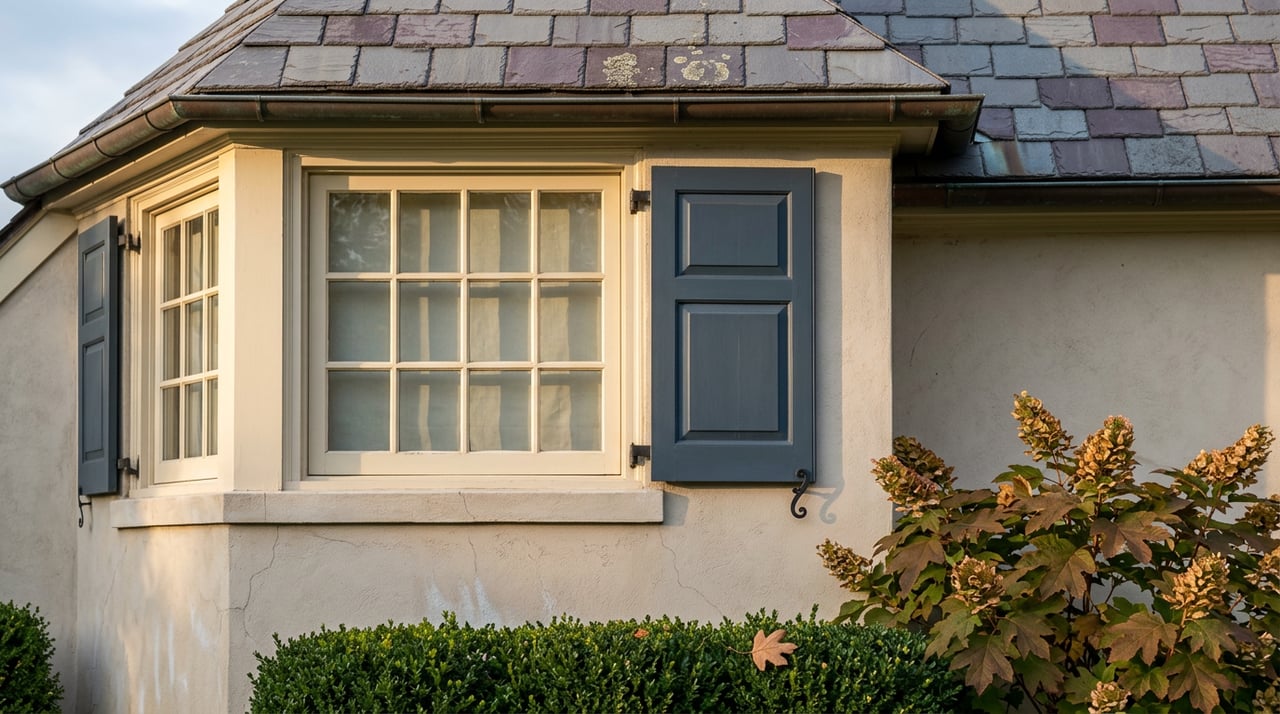
- A Georgian-style house on Mercer Street, with a central block dating to around 1795, went through a full preservation officer's report this year over a proposal to replace its original six-over-six wood windows with aluminum-clad wood windows, because the change in material triggered review even though the new windows would carry a simulated divided light matching the original pattern
That last case is the clearest illustration of how the review works. The property carries what the town calls a Type 2 designation, meaning any change visible from the public right of way needs a preservation plan, not just windows or additions. Repainting a house a different color can require the same approval in certain districts. Interior renovations generally don't, which is the one piece of good news buyers usually don't hear until they ask.
What This Means If You're Buying or Renovating Inside a District
If you're purchasing a home in one of Princeton's 21 historic districts with plans to update it, the review process is worth pricing into your timeline before you make an offer, not after you close.
The application itself is inexpensive, a $75 fee submitted separately from any review fee, according to the town's filing instructions. The cost isn't the obstacle. The lead time is. A preservation plan has to be filed, reviewed by staff, and voted on at a public hearing, and the commission is evaluating your project against the Secretary of the Interior's Standards, not just against Princeton's local ordinance. Projects involving replacement materials, like the Mercer Street window case, add an extra step: the applicant typically has to show physical samples so the commission can judge whether a substitute material is visually compatible with the original from the sidewalk, not just on paper.
None of this means historic-district homes are a poor choice. Princeton's older neighborhoods carry a character premium precisely because that review exists and keeps the streetscape intact. It does mean a buyer planning to replace a roof or swap out windows in year one should budget calendar time for a hearing cycle the way they'd budget for permit timelines anywhere else, and should ask before closing whether a given house carries a Type 1 or Type 2 designation, since that distinction determines how much of the exterior falls under review.
For anyone eyeing a historic Princeton property as an income-producing purchase rather than a primary residence, it's worth knowing that New Jersey does offer state-level rehabilitation incentives for historic properties, though the details and eligibility rules are specific enough that they're better worked through with a tax professional than summarized in a real estate guide.
A Few Straight Answers
Does Princeton require a Certificate of Occupancy to sell a house? Not in the form most NJ towns use. Princeton requires a Fire Safety detector certification, a Construction Records Clearance, and, where applicable, a sewer affidavit, rather than one blanket resale CO.
How do I find out if my house is in a historic district? Princeton's Office of Historic Preservation maintains the district map and can confirm whether a specific address falls inside one of the 21 designated areas, and if so, whether it's a Type 1 or Type 2 designation.
Do I need approval to paint my house? In certain historic districts, yes, changing to a different color requires the same preservation plan review as other exterior work. Repainting in the same color generally counts as ordinary maintenance and doesn't.
Does the historic review apply to work you can't see from the street? Interior renovations generally fall outside HPC review. The trigger is visibility from the public right of way, which is why window, roof, and storefront changes come up so often on the commission's agenda.
How far in advance should a seller start the certification process? Given how the fire safety fee scales with timing, more than 10 days out is the difference between a modest fee and one that's more than triple, and it's the same lead time that gives you room to fix anything the inspection flags before closing.
If you're weighing a purchase or a listing anywhere in Princeton's historic core, or trying to figure out what a specific address's district designation actually allows, Maura Mills has spent three decades working through these exact municipal mechanics with Princeton buyers and sellers. Request a Personalized Consultation to talk through your timeline before you're working against one.