If you are torn between a home with history and one with newer systems, Hopewell Township makes that decision especially real. This is a market where older houses, rural properties, and more recent neighborhoods all coexist, so your choice is rarely just about style. By understanding how home age connects to maintenance, utilities, and day-to-day living in Hopewell Township, you can make a smarter decision with fewer surprises. Let’s dive in.
Why This Choice Matters in Hopewell Township
Hopewell Township offers a broad mix of housing types, which is part of what makes it so appealing. In the township’s housing analysis, 82.3% of housing units were detached homes, while 15.9% were built before 1940, 27.5% were built from 1990 to 1999, and 12.0% were built from 2000 to 2009. That means buyers here often have a real choice between homes with age and character and homes built with more modern layouts and systems.
The local setting also shapes that choice. Hopewell Township includes recognized historic districts and sites such as Titusville Historic District, Harbourton Historic District, and Pleasant Valley Rural Historic District, along with many individual historic resources. At the same time, newer housing tends to appear in more defined pockets where infrastructure and planned development support it.
What Older Homes Often Offer
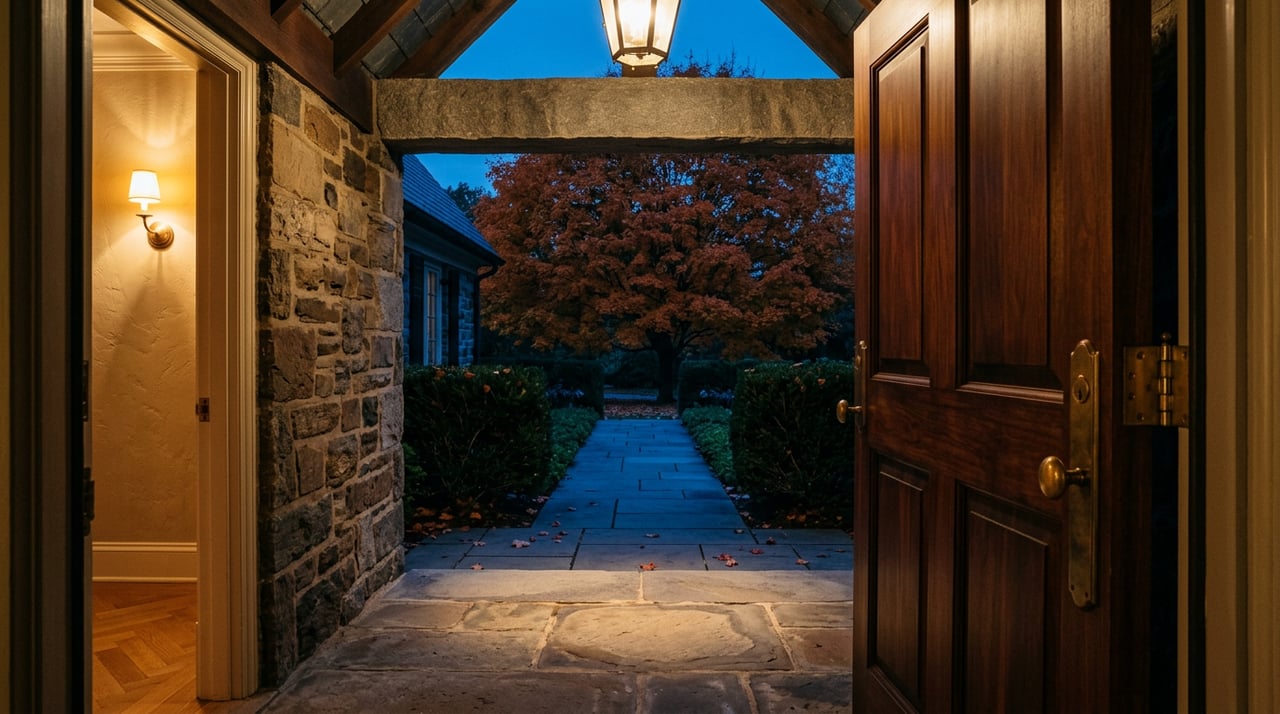
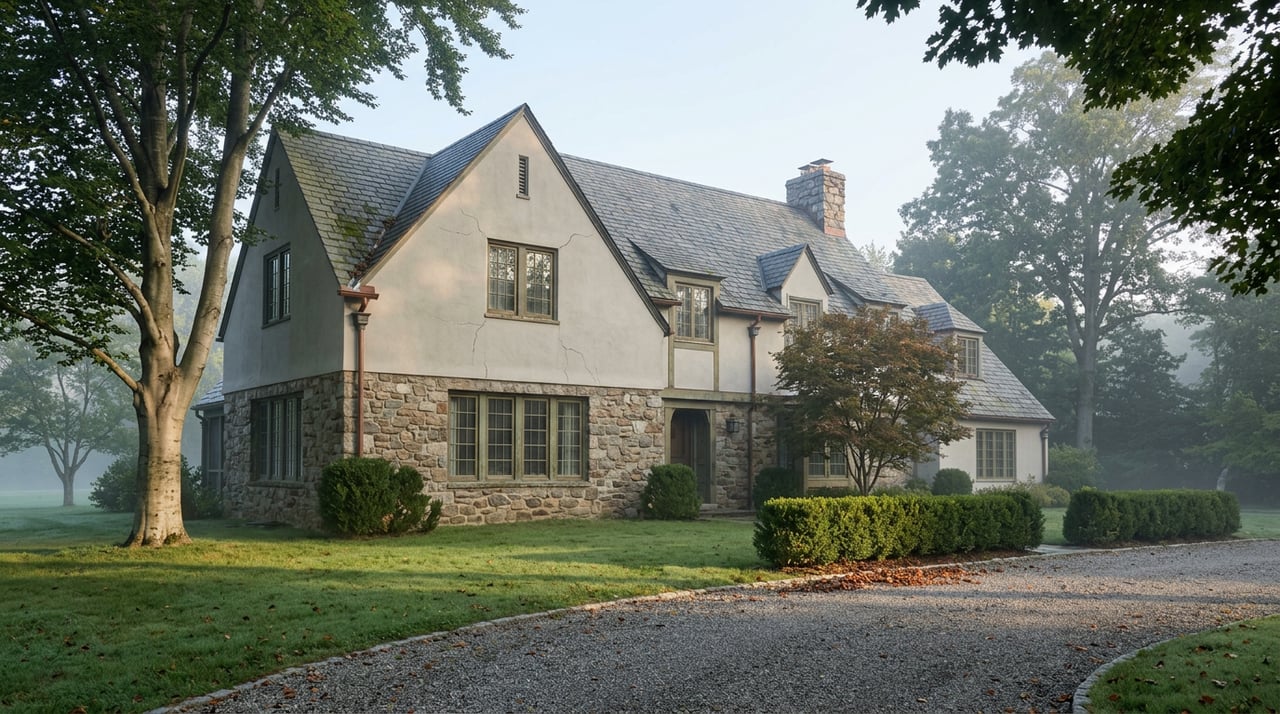
Older homes in Hopewell Township usually appeal to buyers who want individuality and a stronger sense of place. Many are located in village settings, rural historic areas, or established parts of the township where the site layout and exterior details feel distinct from one property to the next. If you value architecture, mature surroundings, and a home that does not feel interchangeable, an older property may stand out.
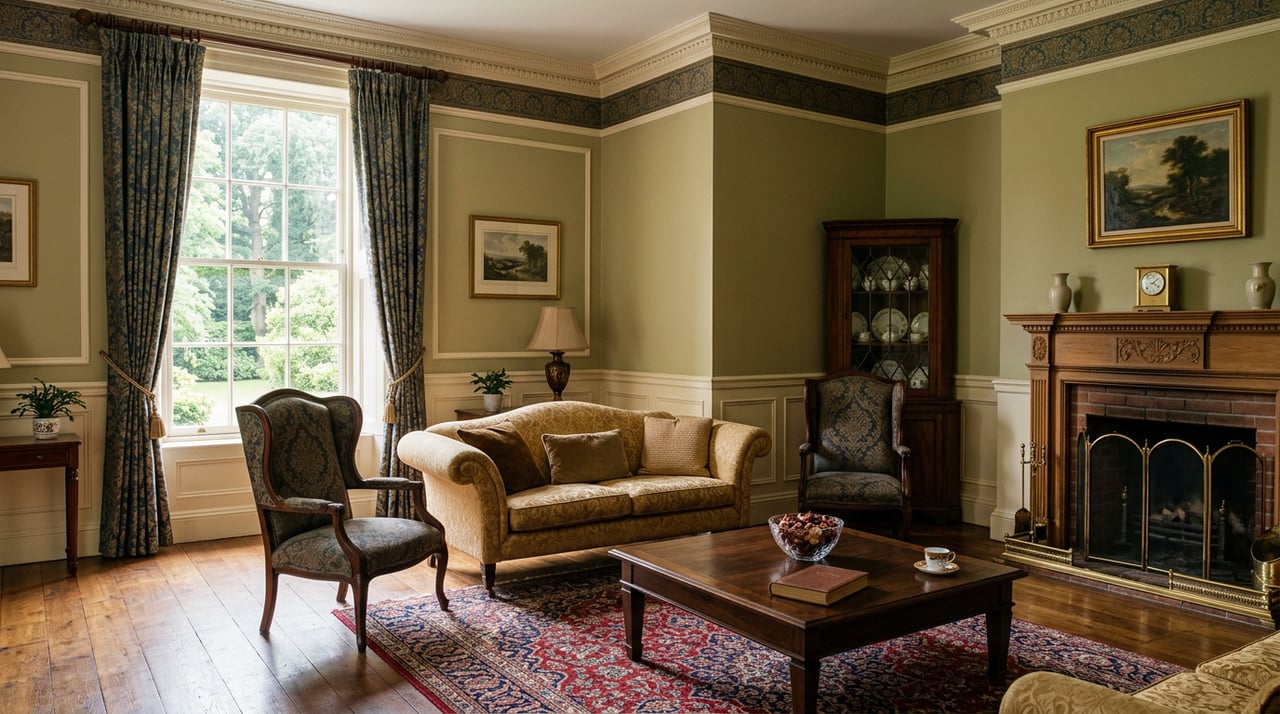
That character often comes with details you can see and feel every day. You may find original woodwork, traditional proportions, porches, masonry, older windows and doors, and additions that reflect how a home evolved over time. For many buyers, that layered look is exactly the point.
The Reality of Maintaining a Historic or Older Home
Charm is only part of the equation. Hopewell Township’s historic preservation guidance points to the exterior areas that often need the most attention over time, including roofing, exterior woodwork, masonry or stucco, wood windows and doors, porches, and historic landscape features. If you are considering an older home, these are not small details. They are central to the ownership experience.
That does not mean older homes are a poor choice. It means you should go in with open eyes and a practical plan. In many cases, the right older home is a wonderful fit for a buyer who is comfortable budgeting for ongoing maintenance and paying close attention to how past repairs or additions were handled.
The township’s preservation framework also matters. Hopewell Township states that designation can enhance value and generally has little effect on privately funded owner actions, but there are design guidelines that address exterior work and additions. If a home is in a historic district or is a designated landmark, it is worth understanding how those guidelines may apply to visible exterior changes.
Utility Systems Can Change the Decision
In Hopewell Township, the age of the home is only part of the story. Utility setup can be just as important. The township’s real estate transfer process requires a Letter of Review for onsite septic systems and or onsite well water quality for any sale, rental, or change of use unless the property has public water or sewer service.
This matters because many homes in the township rely on private systems. The township says many residents get their drinking water from a private well, and well testing is required during real estate transactions under the New Jersey Private Well Testing Act. The township also notes that roughly 90% of township land still lacks sewer service and relies on septic systems.
For buyers, that means an older or more rural home may require more due diligence before closing. You will want to review septic documentation, pumping history, and well test results carefully. A beautiful setting and charming house can still be the right choice, but only if you understand the systems that support it.
What Newer Homes Often Offer
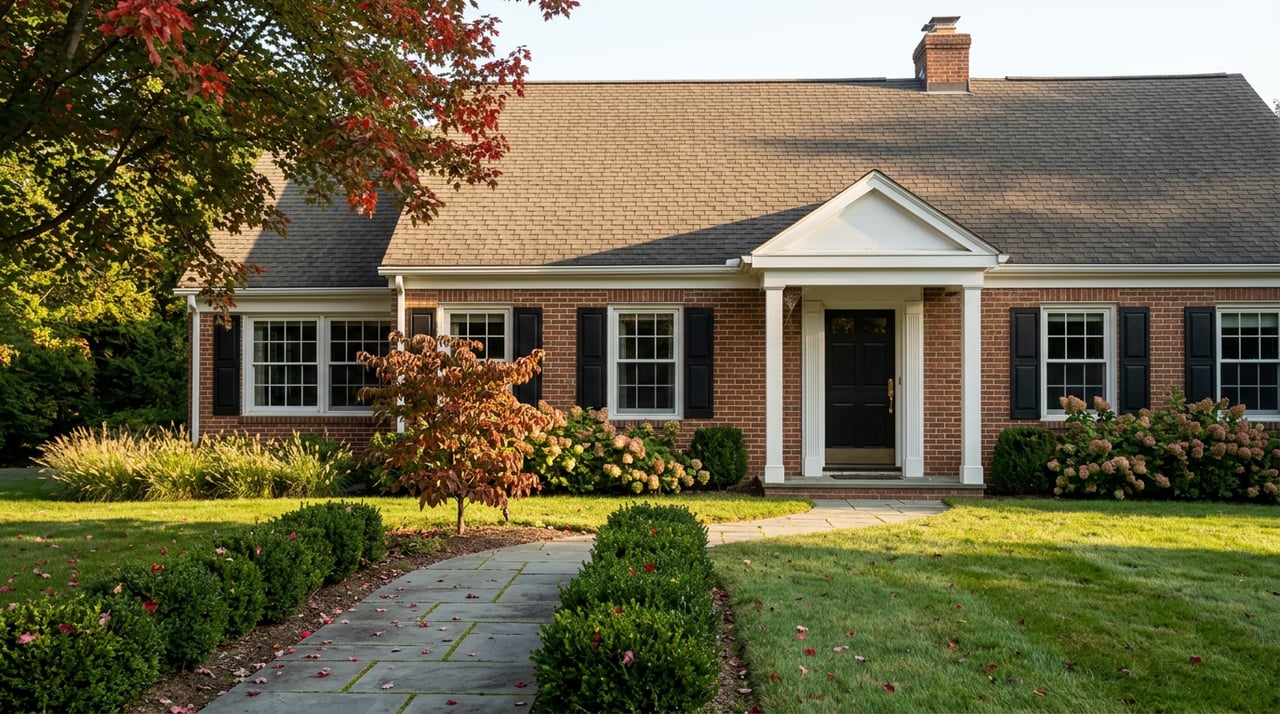
Newer homes usually attract buyers who want more predictable systems and a simpler maintenance profile. In many cases, they offer more standardized construction, more recent materials, and layouts designed for how people live today. If convenience is high on your list, newer construction may feel easier from day one.
Energy performance is often part of that appeal. The U.S. Department of Energy notes that minimizing air leakage is central to an energy-efficient home, and that insulation is more cost-effective to add during construction than later. The same guidance notes that older homes often have less insulation than homes built today, and that older exterior doors and duct placement in unconditioned spaces can affect comfort and utility costs.
That does not mean every newer home performs perfectly. It does mean a newer property is more likely to have energy-related features integrated into the home from the start, rather than added in later through piecemeal updates.
Where Newer Homes Tend to Be Found
In Hopewell Township, newer homes are more likely to be clustered in areas where infrastructure already exists. Township information shows sewer service in Princeton Farms, Hopewell Hunt, Wellington Manor, and Brandon Farms, while water service is limited to Washington Crossing Estates and the surrounding area. This service pattern helps explain why newer development is not spread evenly across the township.
Planning materials also point to newer development and compliance sites within the regional sewer service area, including sites with access to Route 31 or the I-95 interchange. So if you are focused on newer housing, it helps to pay attention not just to house style, but to where municipal or shared utility systems are available.
Historic vs. Newer: A Practical Comparison
The best choice usually comes down to how you want to live and what kind of upkeep you are comfortable managing.
| Factor | Older or Historic Home | Newer Home |
|---|---|---|
| Character | Often more architectural detail and individuality | Often more standardized design and layout |
| Maintenance | Usually more ongoing exterior upkeep | Often more predictable early maintenance |
| Utilities | More likely to involve private well and septic in some locations | More likely in areas with existing utility infrastructure |
| Energy Performance | May require more updates for insulation and air sealing | Often better positioned for efficiency from the start |
| Setting | Often in historic districts, village areas, or rural settings | Often in planned neighborhoods or redevelopment areas |
Questions to Ask Before You Commit
If you are comparing homes across eras, a few targeted questions can help you move beyond appearances.
Questions for an Older Home
- Is the property on public water and sewer, or on a private well and septic system?
- Can the seller provide the township Letter of Review, recent septic inspection records, pumping history, and well test results?
- What is the condition of the roof, masonry, woodwork, windows, doors, porch, and any additions?
- If the home is in a historic district or landmark area, were exterior changes reviewed under township guidance?
Questions for a Newer Home
- What documentation is available for insulation, air sealing, drainage, and site grading?
- Are the utility systems public, shared, or private?
- Has the site drainage been well managed since construction?
- Does the location fit your daily routine, commute, and long-term plans?
How to Choose the Right Fit for You
A historic home may be the better fit if you value character, enjoy the idea of stewardship, and are comfortable with more detailed maintenance. These homes can offer a setting and presence that are hard to duplicate. In Hopewell Township, that appeal is very real.
A newer home may be the better fit if you want simpler systems, more predictable upkeep, and features that support comfort and efficiency with less effort upfront. That can be especially attractive if you prefer a more streamlined ownership experience.
In the end, the smartest choice is usually not about whether a home is old or new. It is about whether its systems, location, and maintenance demands match your priorities. In a market like Hopewell Township, that kind of clarity can make all the difference.
If you are weighing historic charm against newer convenience in Hopewell Township, working with an advisor who understands local housing patterns, property condition, and buyer priorities can make the search far more productive. To talk through your options with a calm, experienced perspective, connect with Maura Mills.
FAQs
What makes Hopewell Township a good place to compare older and newer homes?
- Hopewell Township has a meaningful mix of housing ages and styles, including pre-1940 homes, homes built in the 1990s and 2000s, and a large number of detached houses across different settings.
What should you check before buying an older home in Hopewell Township?
- You should closely review the condition of the roof, woodwork, masonry, windows, doors, porches, and additions, and confirm whether the property uses private well and septic systems that require transfer-related review and testing.
Where are newer homes more likely to be located in Hopewell Township?
- Newer homes are more likely to be found in areas where sewer or water infrastructure already exists, including neighborhoods and development areas tied to the township’s utility service pattern.
Do historic properties in Hopewell Township come with extra rules?
- Some historic properties may be subject to township preservation guidance for exterior work, so it is important to understand whether the home is in a historic district or designated landmark area.
Is a newer home always more energy efficient than an older home in Hopewell Township?
- Not always, but newer homes are generally better positioned to include air sealing, insulation, and other efficiency measures as part of the original construction.