Wondering if your West Windsor home is on public sewer or a private septic system? It is a small detail that can impact maintenance, resale, permits, and even your renovation plans. In a few minutes, you will learn how wastewater service works in West Windsor, how to confirm sewer vs septic for any address, and what rules or costs might apply. Let’s dive in.
West Windsor wastewater overview
Most West Windsor neighborhoods flow to a centralized sewer system, while select pockets still rely on individual septic systems. Municipal planning materials note a mixed pattern, with most sewered areas ultimately treated by the Stony Brook Regional Sewerage Authority and a small area near Mercer County Park served by Hamilton Township’s plant. These patterns appear in Township planning documents and state sewer-service-area mapping that distinguish where public sewer is planned and where on-lot systems remain. You can see this context in the Township’s conservation and utilities planning materials that discuss sewer and septic coverage across the municipality (West Windsor planning materials).
Confirm sewer or septic: 7 steps
Use these steps from fastest to most definitive. Start with paperwork, then move to municipal records and inspections.
- Check seller disclosures and the listing
- New Jersey’s Seller’s Property Condition Disclosure asks about utilities and sewage type, so sellers often mark public sewer or septic. Treat it as a starting point and verify independently (NJ seller disclosure rules).
- Look for sewer user charges on bills
- Quarterly or semiannual sewer charges through the Township often indicate public sewer service. West Windsor’s code outlines user charges and billing rules, so check recent tax or utility bills for a line item that mentions sewer service (Township sewer user charges).
- Review Mercer County property records
- Parcel cards, recorded permits, or easements can mention a sewer connection or a septic abandonment. Search the Mercer County parcel and property information portals for your address to spot clues in the record history (Mercer County property records).
- Ask West Windsor municipal departments
- Contact the Township Engineering or Sewer Department and the Health Department. Request any sewer connection permits on file, septic permits or abandonment records, and confirmation of whether the parcel lies in a mapped sewer service area. A permit record is strong evidence of connection.
- Check state sewer service area mapping
- New Jersey DEP maintains maps showing where parcels are planned for public sewer versus on-lot disposal. This is especially useful for development planning or when a street is near the edge of service boundaries (NJDEP SSA mapping).
- Look for onsite clues
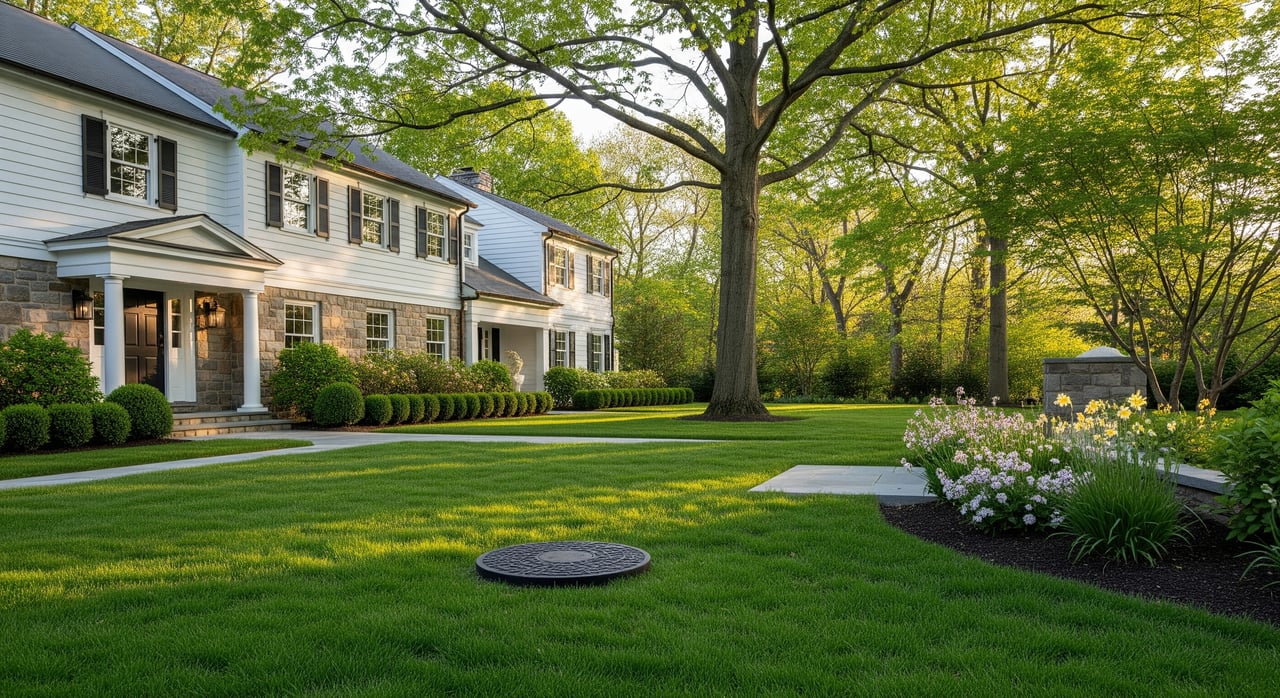
- Indicators of sewer: a capped cleanout near the house or curb, no obvious septic lids or drainfield areas. Indicators of septic: visible tank lids or inspection ports, a kept-clear drainfield area, pumping receipts or stickers. Always confirm with municipal records or a licensed inspector (EPA septic basics).
- Hire inspectors for transactions
- If septic is claimed, bring in a licensed septic inspector to locate the tank and field and report on condition. If public sewer is claimed, a plumber or qualified inspector can verify a connected lateral and, if needed, run a camera or pressure test.
Rules, permits, and costs in West Windsor
Understanding the local rules helps you plan next steps and budget accurately.
Mandatory connection when abutting a public sewer. The Township code states that plumbing fixtures in a building located on a property abutting a street, alley, or easement with a public sewer must connect to that sewer, subject to permitting and inspection (West Windsor sewer connection rules).
Permits and inspections are required. You will typically need a sewer connection permit and, if the street surface is disturbed, a street opening permit. The Township inspects before final acceptance.
Fees and user charges. The municipal fee schedule includes a sewer permit or hookup fee that is calculated at a stated rate with a minimum per dwelling unit. The code also outlines ongoing user charges billed by the Township. Confirm current rates with the municipal fee schedule or billing office (Township sewer user charges).
Typical field costs. Physical connection costs vary widely based on distance to the main, depth, pavement cuts, landscaping restoration, and whether a grinder pump is required. Local contractor estimates for New Jersey hookups commonly range from a few thousand dollars to $15,000 or more depending on complexity (residential hookup cost overview).
Septic abandonment when connecting. If you convert from septic to public sewer, expect to properly pump and abandon the tank with a Township permit and inspection. West Windsor lists a septic tank abandonment permit and fee in the code (septic abandonment permits).
Buyer and seller checklist
Use this quick list during your West Windsor transaction.
- Request the seller’s disclosure and ask directly about sewer vs septic, past repairs, pumps, and permits (NJ seller disclosure rules).
- Ask for septic records if applicable, including pumping receipts, permits, and any prior abandonment documents.
- Order targeted inspections: septic evaluation if septic is claimed, or a plumbing inspection to verify a connected lateral if public sewer is claimed (EPA septic basics).
- Pull municipal records with Engineering, Sewer, and Health to confirm permits, service area status, and any mandatory connection requirements.
- Review Mercer County parcel records and deeds for easements and recorded permits (Mercer County property records).
- Confirm fees and potential assessments with the Township, then collect contractor quotes for any required connection work.
- Consider adding contract language that requires delivery of municipal sewer or septic records and allows action if inspection results are unacceptable.
Where to verify information
- West Windsor Township Engineering and Sewer Department, and the Health Department for permit histories, septic abandonment records, and lateral details.
- Township Code for connection requirements, fee schedules, and user charge rules.
- NJDEP Sewer Service Area mapping for state-recognized sewer vs on-lot designations.
- Mercer County property records for recorded permits, easements, and prior abandonment documentation.
If you are weighing a sale, purchase, or renovation in West Windsor and want a clear plan that accounts for sewer or septic, reach out to Maura Mills for local guidance tailored to your property and goals.
FAQs
How is wastewater service organized in West Windsor?
- West Windsor has a mix of public sewer coverage and individual septic systems, with most sewered areas flowing to a regional treatment authority and a small area near Mercer County Park tied to Hamilton Township’s plant, as noted in Township planning materials.
Do I have to connect if my property abuts a public sewer?
- Under Township code, properties with plumbing fixtures that abut a street, alley, or easement containing a public sewer are required to connect, subject to permitting and inspection.
How can I confirm sewer vs septic for a specific address?
- Start with the seller’s disclosure and recent bills, then check County property records and Township permit files, use NJDEP SSA mapping for context, and finish with an onsite inspection by a licensed professional.
What does it cost to connect to public sewer in West Windsor?
- Costs vary by distance, depth, surface restoration, and equipment needs, but New Jersey residential hookups commonly range from a few thousand dollars to $15,000 or more, plus Township permit and user charges.
What happens to an existing septic system if I connect to sewer?
- You will typically need to pump and properly abandon the tank with a permit and inspection, then maintain records of the abandonment with the Township.