What if your morning could start with a short walk to the train instead of a long drive and a scramble for parking? If you are weighing a home near Princeton Junction station in West Windsor, you are balancing convenience with neighborhood feel. In this guide, you will learn how transit access works, what daily life looks like near the station, which housing types you will find, and the key trade-offs to expect. You will also get a practical checklist to use on showings so you can make a confident decision. Let’s dive in.
Princeton Junction overview
Princeton Junction is on NJ Transit’s Northeast Corridor line, with frequent service toward New York Penn Station and Trenton. It is also the transfer point for the short Princeton Branch shuttle that links to Princeton’s campus area. Some regional Amtrak trains pass through, but daily commuting is typically via NJ Transit schedules. The station area has large commuter parking lots, a mix of permit and daily spaces, bike racks, and access to local buses and private shuttles.
Commute expectations
If you commute to New York City, you can take direct Northeast Corridor trains from Princeton Junction. Depending on local or express service, the ride is roughly 60 to 80 minutes during typical patterns. Trips to Philadelphia usually involve a transfer at Trenton or other connections, with total time varying by schedule and routing. For airports, Newark Liberty is reachable via Northeast Corridor connections and the AirTrain system, while Philadelphia International is accessible via a transfer at Trenton or by car.
Neighborhood feel and walkability
The station sits within a suburban township, with a compact commercial strip nearby that includes cafés, convenience retail, and small professional services. Walkability is moderate to good within a short radius of the platforms, which makes quick errands easier. Outside that area, the township is more car-oriented and sidewalks can be fragmented in some spots. You are also well positioned for regional parks and trails, plus a short ride to Princeton for restaurants, arts, and shopping.
Housing near the station
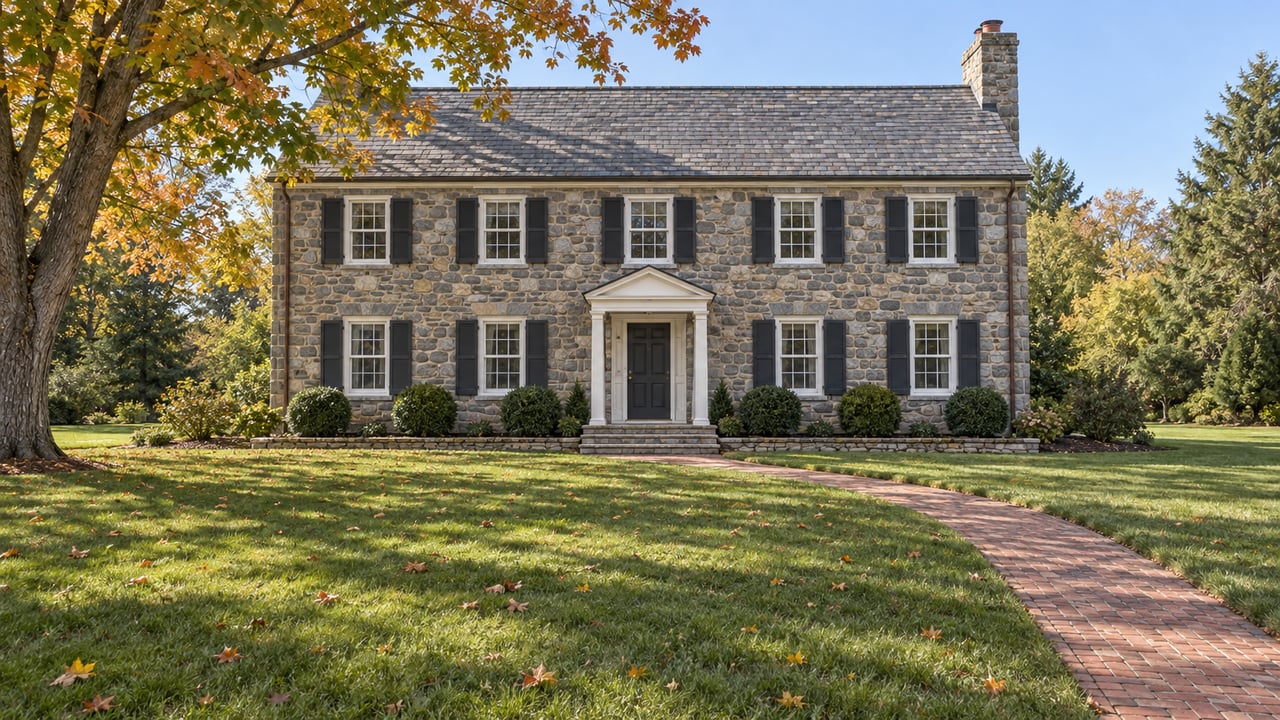
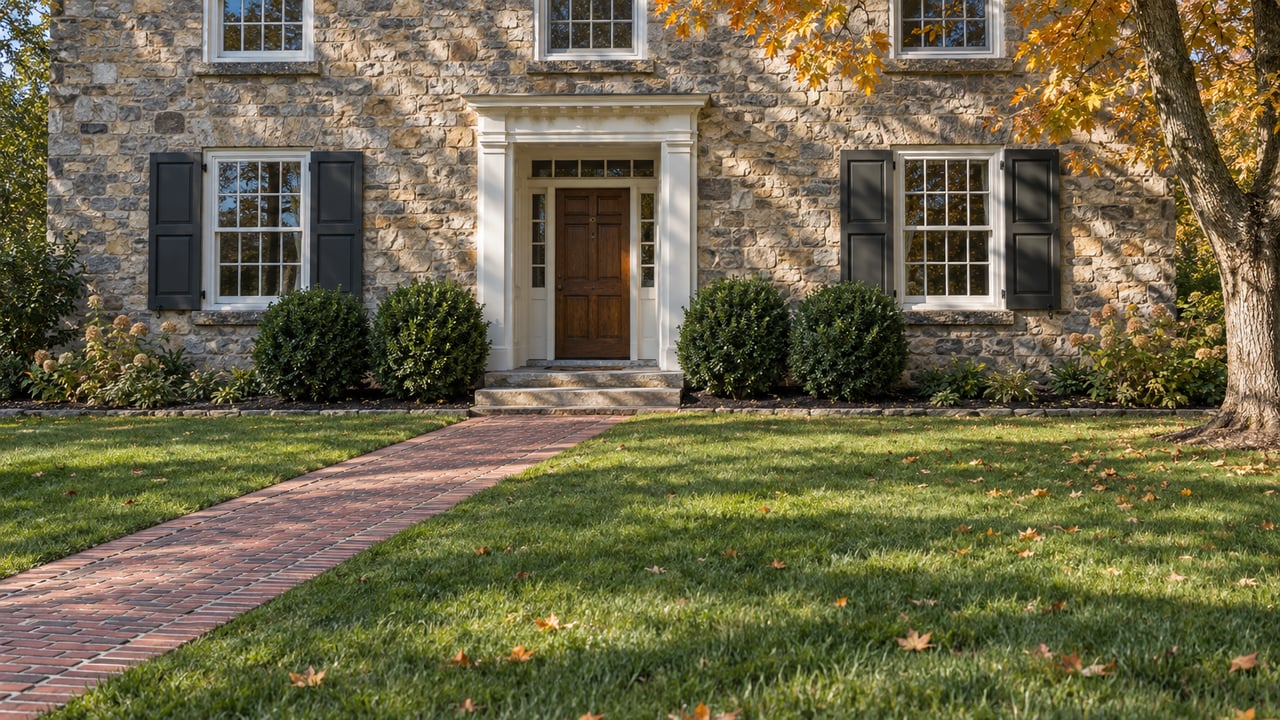
Within walking distance of Princeton Junction, you will find a mix of housing options. These include older single-family homes such as mid-century ranches and colonials on established lots, as well as larger homes from the 1980s through the 2000s. Closer to major corridors you will also see townhouses, garden-style condos, and small multi-family buildings. Properties inside a comfortable walk of the station often command a price premium, supported by steady demand from commuters and regional professionals.
What influences value
- Proximity to the tracks can affect pricing and appeal. Homes directly adjacent to the rail corridor may sell for less unless offset by other benefits.
- Layout and size matter. Townhomes and condos near the station tend to attract commuters and downsizers, while larger single-family homes appeal to buyers prioritizing yard space and access to local schools.
- HOA fees, on-site parking rules, guest parking, and municipal parking policies are important to your monthly budget and daily convenience.
- Property taxes in Mercer County should be verified for each listing, along with any recent assessment changes.
Key trade-offs to weigh
Living near Princeton Junction offers meaningful advantages, along with practical considerations you will want to understand before you buy.
Advantages
- Shorter, simpler commutes to NYC, Princeton, and Trenton with less driving.
- Quick access to the Dinky shuttle, station-area shops, and local services.
- Better walk and bike options for short errands near the station.
Potential drawbacks
- Train noise and vibration can affect comfort. Impact varies by distance, orientation, and topography, and mitigation differs by property.
- Parking pressure is common. Expect permit systems, fees, and early arrival to secure spaces.
- Prices near the station are often higher, and competition can be strong in desirable micro-locations.
- Local traffic can be heavier around peak train times near the station and access roads.
How to evaluate a transit-adjacent listing
Use this showing checklist to compare homes near the station.
Commute and schedule
- Time a sample commute from the property at your usual departure hour. Note whether the train is local or express and whether you need to transfer.
- Check off-peak, weekend, and holiday schedules if you have a hybrid or irregular work week.
Distance and line of sight
- Walk the actual route to the station entrance and platform to confirm time and crossings.
- Listen for noise at different times of day. Watch for vibration signs like hairline cracks or loose fixtures.
Parking and access
- Confirm station parking rules, permit availability, fees, and any employer-subsidized options.
- Verify on-property parking and guest policies, including HOA or municipal rules.
Property condition and sound
- Review windows, insulation, doors, and HVAC. Older homes near tracks may benefit from double-glazed windows or added insulation.
- Ask about prior noise concerns, completed mitigation, or recent improvements.
Zoning, future development, and taxes
- Review township planning and zoning for nearby parcels, especially any higher-density or commercial zoning.
- Verify the current property tax bill and recent assessment history.
Neighborhood livability
- Walk the block for sidewalks, lighting, crosswalks, and access to daily services like a grocery, pharmacy, or childcare.
- Check public school boundaries for the specific address using official district resources.
Resale and rental lens
- Ask your agent for comparable sales both inside the walkable radius and in quieter areas to quantify premium or discount.
- If rental potential matters, review local demand, vacancy trends, and condo or HOA rules on leasing.
Future changes to watch
Station areas are often candidates for transit-oriented development or redevelopment. New projects can bring more retail choices and convenience, along with added traffic and parking demand. Township planning and zoning updates may influence lot use, neighborhood character, and property taxes over time. If you are considering a home here, review active plans and recent meeting minutes to understand what could change near your block.
Is living near transit right for you?
If you value reliability and time savings, a home near Princeton Junction can simplify your week and expand your options for work and play. You will want to balance that convenience with real-world factors like noise, parking systems, and pricing. The best approach is to test the commute, walk the route, and listen at different times of day before you commit. If you decide the fit is right, you can gain the benefits of a connected lifestyle while still enjoying West Windsor’s suburban setting.
If you are weighing homes near Princeton Junction and want tailored guidance on value, condition, and resale, connect with Maura Mills to Request a Personalized Consultation.
FAQs
How fast is the NYC commute from homes near Princeton Junction?
- Direct Northeast Corridor trains run from Princeton Junction to New York Penn Station, and typical travel time is about 60 to 80 minutes depending on local or express service.
What should I know about parking at Princeton Junction station?
- Expect a mix of permit and daily lots that often fill early on weekdays. Check availability, fees, and waitlists, and consider alternatives like walking, biking, or drop-off.
How much train noise should I expect when buying near the tracks in West Windsor?
- Noise and vibration vary by distance, orientation, and topography. Visit at several times of day, listen from indoors and outdoors, and review any sound mitigation in place.
Which home types are typically walkable to the station in West Windsor?
- You will see older single-family homes, larger homes from later subdivisions, and a concentration of townhouses and garden-style condos closer to main corridors.
Are West Windsor public schools a factor for homes near Princeton Junction?
- Many buyers consider access to the West Windsor-Plainsboro Regional School District. Always verify boundaries for the specific address using official district information.
Could future development change the station area in West Windsor?
- Station areas are common targets for transit-oriented development that can add housing and retail. Review township planning and zoning updates to see what is proposed and where.