Thinking about trading up to a million‑dollar home in Montgomery Township? You want more space, privacy, and quality without adding stress to the process. In this guide, you’ll see what $1M buys today, how to work the financing in your favor, and the offer strategies that help you land the right home in Skillman or Belle Mead. You’ll also get a focused checklist for due diligence so you buy with confidence. Let’s dive in.
Montgomery’s $1M+ market at a glance
Montgomery Township sits in a higher‑price pocket of Somerset County. As of late 2025, township data shows a median home price near the low to mid $900Ks, with frequent $1M+ closings in Skillman and Belle Mead. That puts many move‑up purchases right on the line between the broader market and the luxury tier.
Expect a mixed, mostly balanced market with fast movement for well‑priced, turnkey homes above $1M. Inventory at this level is thinner than lower tiers, so individual listings can shift dynamics quickly. When a standout property hits, qualified buyers tend to move fast.
Where $1M+ activity clusters
- Skillman and Belle Mead are the most active micro‑markets for $1M+ single‑family homes within the township.
- Proximity to Princeton also supports upper‑tier pricing for select addresses.
- The 08558 ZIP often records multiple $1M+ sales in a typical year, including closings around $1.02M, $1.36M, and $1.64M in recent periods.
What $1M buys you in 2026
At this price point, you are usually paying for space, privacy, and finish quality. While every home is different, certain patterns appear again and again in Montgomery’s upper tier.
- Size and layout: Many $1M+ homes run about 2,700 to 5,500 square feet with 4 to 6 bedrooms. Extra en‑suite baths, a main‑level guest suite, and a finished basement often separate the best‑in‑class listings.
- Lots and setting: One‑acre lots are common, and tree‑lined privacy is a premium feature. Larger or more private parcels command a higher price.
- Interior finishes: Updated kitchens with islands and professional appliances, refreshed primary suites, and custom millwork are typical. A mudroom and organized storage can tip a home into the $1M+ bracket when paired with other upgrades.
- Outdoor amenities: Buyers expect strong outdoor living spaces. Inground pools, expansive patios or decks, and mature landscaping all help justify upper‑tier pricing.
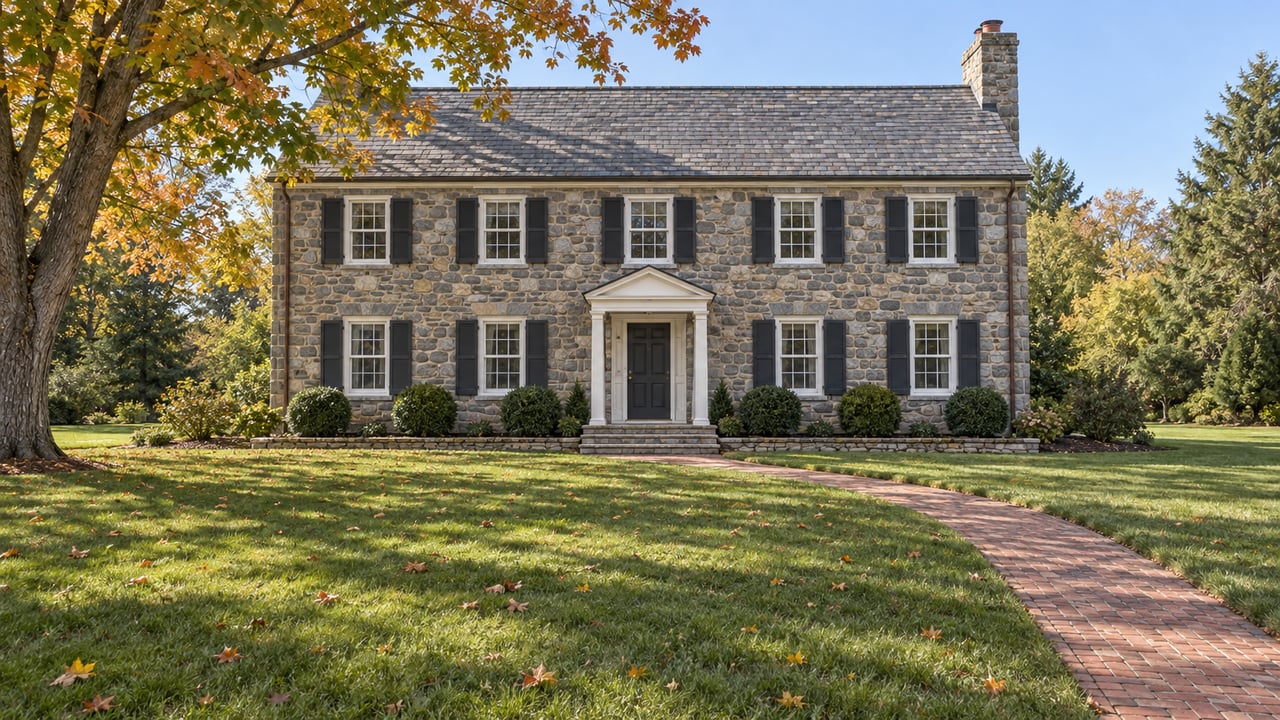
- Age and style: The area blends newer custom builds with renovated colonials and manor‑style homes. Unique or older properties can be exceptional, but they require specialized inspection and valuation care.
Three quick sale examples
- Around $1.02M: Updated colonial with roughly an acre, refreshed kitchen, and finished lower level. Competitive offers likely when priced against recent comps.
- Around $1.36M: Larger residence with a renovated primary suite and flexible guest space. Outdoor hardscaping and a three‑car garage help support value.
- Around $1.64M: Estate‑style home on a premium lot, newer systems, and high‑end kitchen and bath finishes. Distinct privacy and setting account for the pricing gap.
Inventory, seasonality, and timing
Upper‑tier inventory is limited, and the best homes do not linger. Because the pool of listings is small, a few new properties can swing the market in a single month. Use recent comparable sales from the last 6 to 12 months when judging value, and be ready to move when a match appears.
Nationally, higher‑price homes have shown resilience, with qualified buyers often bringing larger down payments or cash. That dynamic can compress timelines for well‑prepared buyers and sellers. For context on how quickly this tier can move, see recent coverage of million‑dollar home trends in national reporting like the piece on how “million‑dollar homes are among the fastest moving” segments covered by major outlets.
Financing smart: conforming vs. jumbo
Here is a strategic advantage many buyers overlook. For 2026, the baseline national conforming loan limit is $832,750. Somerset County reflects a higher local limit for one‑unit properties, and many lenders list the 2026 county limit near approximately $1,209,750. That means a $1M purchase in Montgomery may qualify for conforming financing rather than a jumbo loan. Always verify your exact loan amount and county limit with your lender because these numbers update annually. You can review current background details on loan limits via Fannie Mae’s guidance.
Why it matters:
- Pricing and speed: Conforming loans can carry more favorable pricing and faster underwriting than jumbo products.
- Qualification: Jumbo financing can require higher reserves and stricter criteria. Staying within the conforming limit can simplify approval and strengthen your offer.
- Offer strategy: A clear, fully underwritten approval that fits within the conforming window can signal certainty to a seller and help you win without only relying on price.
Build a winning offer at $1M+
Seller priorities at this tier focus on certainty, timing, and clean terms. Your offer does not have to be the highest to be the best on paper.
- Strong pre‑approval or pre‑underwrite: Bring a verifiable, fully documented lender approval rather than a quick pre‑qualification. It sets your offer apart and reduces perceived risk for the seller. For a plain‑English overview of strategic offer choices, see this lender’s guide to offer decisions.
- Escalation clause: If you expect multiple offers, you can agree to beat a competing offer by a set amount up to a cap. Example: “We will top the highest bona fide offer by $10,000, up to a maximum of $1,250,000.” Pros include protection from gross overbidding. Cons include signaling your ceiling.
- Appraisal‑gap coverage: You can state you will cover any appraisal shortfall up to a certain amount. This strengthens your bid but increases your cash exposure. Use prudent caps aligned with your reserves and discuss with your lender before including this term.
- Non‑price terms: Larger earnest money, shorter inspection or financing timelines, flexible closing dates, or a brief rent‑back can all improve your position without only raising price. For a quick take on these trade‑offs, review the same offer‑strategy overview.
Appraisal and valuation risks
Unique homes, large lots, and custom finishes can challenge the appraisal process because there are fewer truly comparable sales. Appraisers may rely on a smaller comp set and sometimes use a cost approach for one‑of‑a‑kind features. That can extend timelines or produce a lower‑than‑expected valuation.
Plan ahead:
- Ask your agent and lender to prepare a concise value package for the appraiser that includes a tailored comp set, details on major upgrades, and builder specs when available.
- Consider risk‑management tools like a limited appraisal‑gap clause or negotiating a seller concession if the value comes in short.
- Review best practices for selecting comparables and explaining adjustments in appraisal guidance such as this appraisal guidelines overview.
Due diligence that protects you
Upper‑tier properties often include features that deserve extra scrutiny. A targeted, professional inspection plan can save you time and money.
- Specialist inspections: For older or customized homes, consider structural or engineering reviews. Order a dedicated pool inspection where applicable. Many Montgomery‑area homes may have septic systems or private wells, so budget for septic inspections and water testing.
- NJ well testing: New Jersey’s Private Well Testing Act sets standards that are common in local transactions. For Somerset County specifics and local service options, review this well testing resource.
- Survey and boundaries: On larger parcels, confirm an up‑to‑date survey and check for easements or conservation restrictions that affect use.
- Systems and operating costs: Larger homes often have multi‑zone HVAC, bigger roofs, and more extensive landscaping. Ask for documentation on recent major work such as roof replacement, septic upgrades, pool equipment, and HVAC service. Plan for higher utilities, maintenance, and property taxes typical of this price tier.
How to judge price and value
At $1M+, value is rarely a simple dollars‑per‑square‑foot equation. Focus on how a home’s features line up against the few most relevant sales from the last 6 to 12 months.
- Narrow your comp set: Compare homes with similar lot size, privacy, age, and key amenities like a pool or three‑car garage. Be cautious with simple price‑per‑foot comparisons on custom properties.
- Tell the value story: If a seller is priced above nearby sales, identify the features that bridge the gap such as a premium lot, newer systems, or a recent kitchen and bath renovation.
- Support the appraisal: Work with your agent and lender to assemble a short package for the appraiser when appropriate. See this overview on appraisal methodology for how adjustments are justified.
Quick move‑up buyer checklist
- Define must‑haves and nice‑to‑haves for space, lot size, and finishes.
- Get fully approved with a lender and confirm Somerset County’s current conforming limit.
- Track micro‑market comps in Skillman and Belle Mead for the most accurate pricing picture.
- Prepare offer strategies in advance, including escalation and appraisal‑gap scenarios you are comfortable using.
- Budget for specialist inspections and well or septic testing where relevant.
- Review operating costs and recent capital improvements before you submit your offer.
Ready to explore Montgomery’s move‑up market with a clear plan? Request a calm, data‑driven consultation with Maura Mills to align the right home, financing, and offer strategy for your goals.
FAQs
How competitive is Montgomery’s $1M+ market right now?
- It is generally balanced with fast movement for well‑priced, turnkey listings, and thin inventory can create quick shifts when a standout property hits.
What kinds of homes sell above $1M in Skillman and Belle Mead?
- Mostly single‑family homes around 2,700 to 5,500 square feet on one‑acre lots with updated kitchens, enhanced primary suites, finished basements, and strong outdoor spaces.
Do I need a jumbo loan to buy a $1M home in Somerset County?
- Not always; many $1M purchases can fit within the county’s elevated conforming loan limit, but you should confirm the current limit and your loan amount with your lender.
What inspections are typical for acreage or pool homes in Montgomery?
- Plan for general, pool, septic, and well inspections where applicable, plus targeted structural or systems reviews on older or custom properties.
How do escalation clauses and appraisal‑gap coverage work?
- An escalation clause lets you beat competing offers up to a cap, while appraisal‑gap coverage pledges cash to cover a shortfall up to a limit, both adding strength but also risk.
How should I evaluate price beyond dollars per square foot?
- Focus on recent, truly comparable sales that match lot size, privacy, age, and key amenities, then weigh upgrades and condition to explain any price differences.