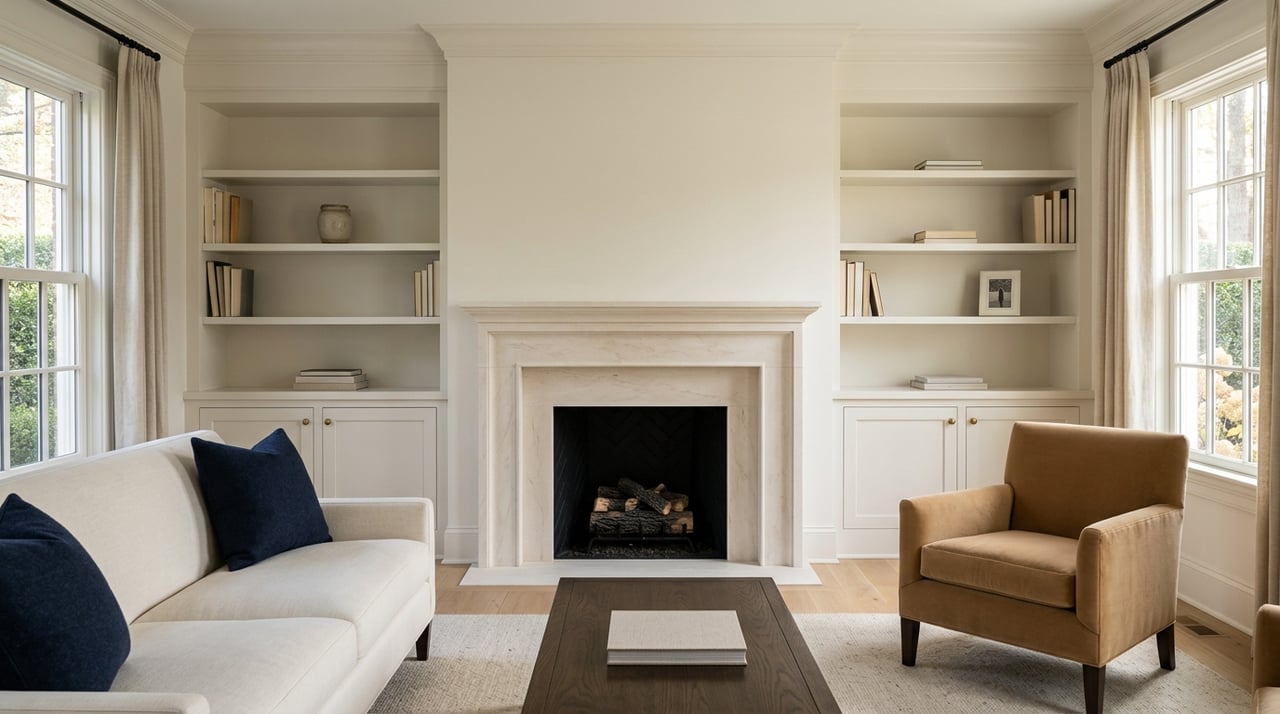
If you want your Pennington home to stand out the moment it hits the market, preparation matters more than most sellers think. Buyers often meet your home online first, and small details like cluttered surfaces, worn paint, or an overfilled room can shape that first impression fast. The good news is that you do not need a massive renovation to make a meaningful impact. With the right pre-listing plan, you can highlight your home’s strengths, respect its character, and set the stage for stronger marketing. Let’s dive in.
Why seller prep matters in Pennington
Pennington is a small Mercer County borough with a distinct sense of place, including preserved 18th- and 19th-century buildings around its main street. That local character is part of what makes the area appealing, and it should influence how you prepare your home for market.
In many cases, the best strategy is not to reinvent the property. It is to present it clearly, cleanly, and thoughtfully so buyers can appreciate both the home itself and the architectural context that makes Pennington special.
Start with what buyers see first
Most buyers will first encounter your home through photos, video, or a virtual tour. According to the 2025 home staging report, 73% of buyers’ agents said photos were much more important or more important to their clients, while 48% said the same about videos and 43% about virtual tours.
That matters because online presentation influences more than clicks. The same report found that 31% of respondents said buyers were more willing to walk through a home they saw online. In other words, strong presentation can help drive actual showing activity.
Photos set the tone
Cameras tend to magnify clutter, dust, and visual distractions. That is why pre-listing prep should focus on simplifying each room, clearing surfaces, opening blinds, and making spaces feel bright and intentional.
Just as important, your home should look the same in person as it does online. If buyers are excited by the listing photos, they will expect that same clean, polished look when they arrive for a showing.
Stage the rooms that matter most
If you are deciding where to focus your effort, start with the rooms buyers notice most. Buyers’ agents identified the living room, primary bedroom, and kitchen as the most important rooms to stage.
You do not need to make these spaces look perfect or generic. You do want them to feel spacious, calm, and easy to understand at a glance.
Living room
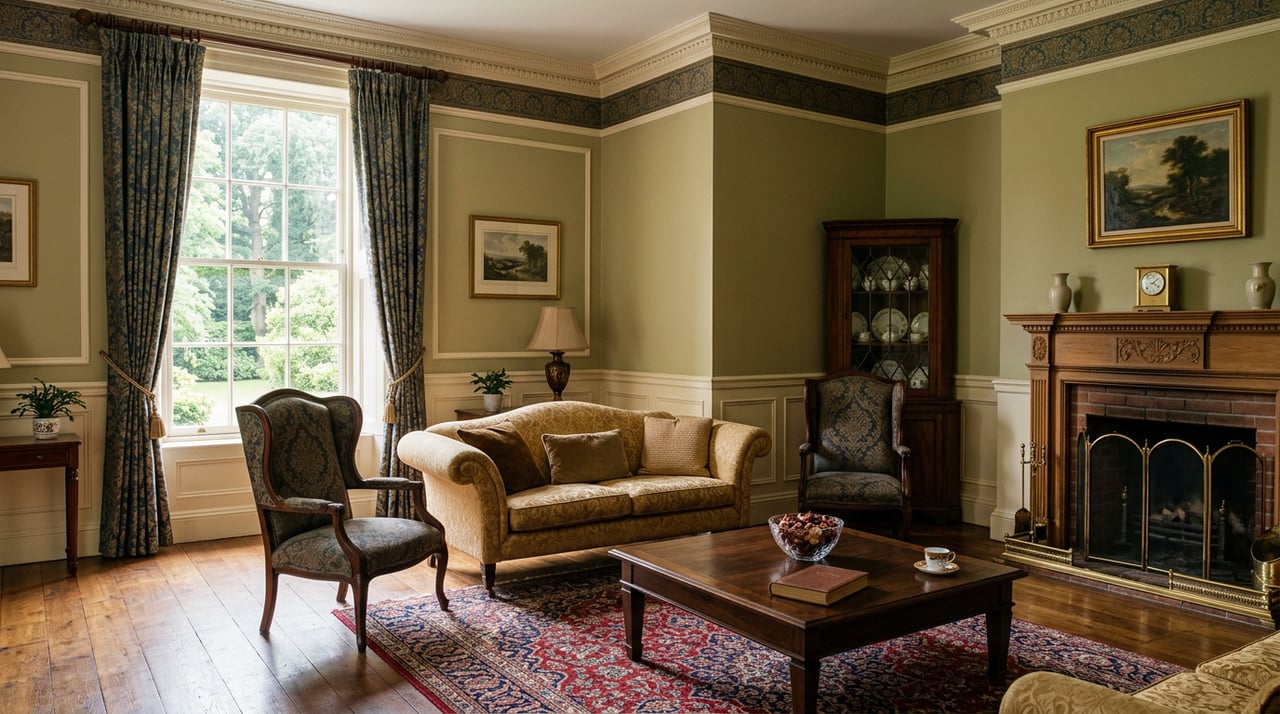
Your living room should feel open and comfortable, not crowded. Remove extra chairs, bulky accent pieces, and too many personal items so the room reads clearly in photos.
A simple seating arrangement, clean surfaces, and edited décor can make a big difference. The goal is to show function, scale, and light.
Primary bedroom
The primary bedroom should feel restful and uncluttered. Clear dressers and nightstands, reduce excess furniture if needed, and use simple bedding in neutral tones.
If the room has beautiful trim, windows, or proportions, let those details take center stage. In Pennington, homes with character often benefit from a quieter staging approach that does not compete with original architectural elements.
Kitchen
In the kitchen, less is usually more. Clear counters, remove small appliances you do not use daily, and keep decorative items minimal.
A minor, visible refresh can also help if the kitchen feels dated. Research for the Middle Atlantic region found that a midrange minor kitchen remodel recouped 94.1% of cost, which makes selective improvements more practical than a full overhaul for many sellers.
Focus on low-disruption improvements
When you are preparing to list within the next 6 to 12 months, the most effective projects are often the simplest ones. Cleaning, decluttering, repairing visible defects, and depersonalizing the space tend to support both marketing and buyer perception.
That approach also aligns well with Pennington’s housing context, where architectural character can be a meaningful part of the appeal. Thoughtful refreshes usually serve sellers better than highly customized redesigns.
High-impact updates to consider
If you are deciding where to invest, prioritize visible improvements that support first impressions.
- Deep cleaning throughout the home
- Paint touch-ups in a restrained, neutral palette
- Repairing worn trim, loose hardware, and minor cosmetic defects
- Editing overly personal décor and family photos
- Improving storage appearance in closets, mudrooms, and pantries
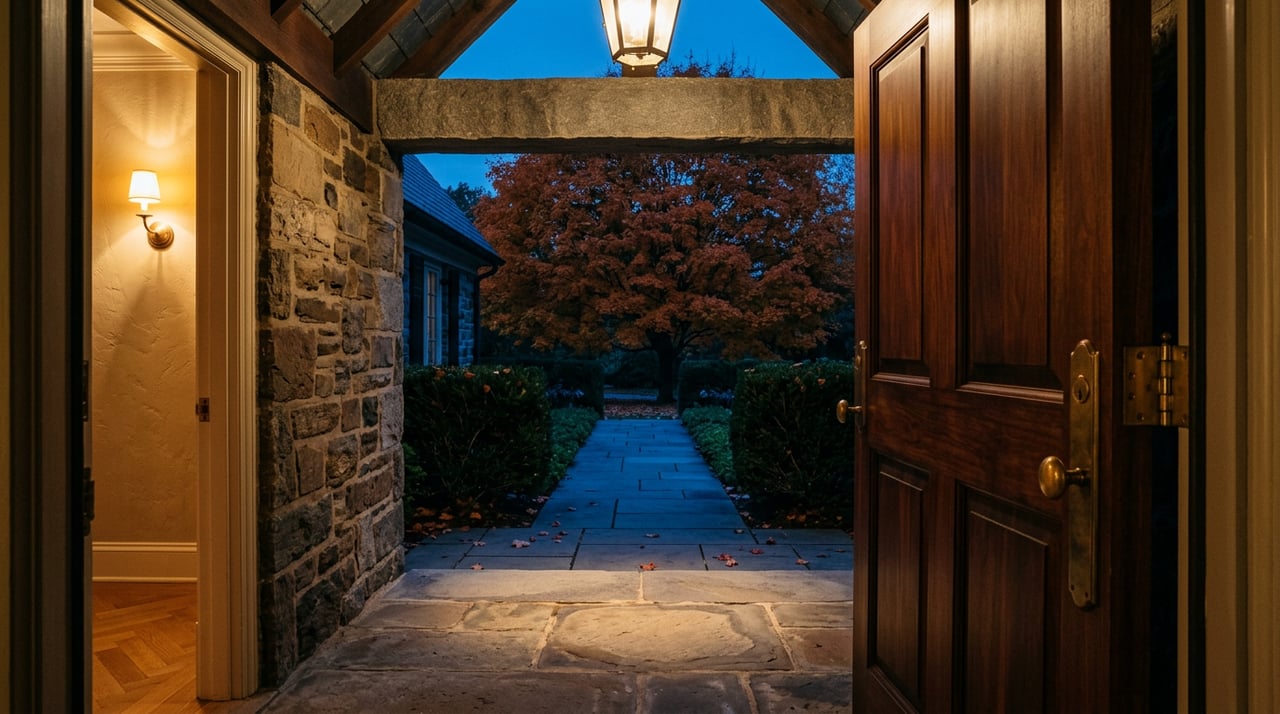
- Refreshing entry areas and front-facing exterior details
These steps help buyers focus on the home itself rather than on maintenance issues or personal style choices.
Exterior improvements can pay off
The 2024 Cost vs Value Report for the Middle Atlantic region showed especially strong returns for several exterior projects. Garage door replacement recouped 203.6% of cost, while steel entry door replacement and manufactured stone veneer each recouped 158.6%.
Vinyl siding replacement recouped 96%. For many sellers, this supports a practical lesson: curb appeal and entry presentation often deserve more attention than expensive interior expansions.
Skip the major expansion mindset
Large additions usually deliver much lower resale return. The same report found a midrange bathroom addition recouped 31.2%, and an upscale primary suite addition recouped 24.7%.
If your goal is to prepare for standout marketing rather than create a long-term dream renovation, selective updates are generally the more efficient path.
Respect historic character
If your home is in or near Pennington’s Crossroads Historic District, your exterior presentation deserves extra care. The district spans Main Street and Delaware Avenue and includes architecture from the 18th, 19th, and early 20th centuries.
For homes in the district, exterior street-facing changes may need review by the Historic Preservation Commission, which can require a Certificate of Appropriateness. The borough’s preservation ordinance is regulatory, not simply advisory, so it is important to confirm requirements before starting visible exterior work.
Choose updates that fit the home
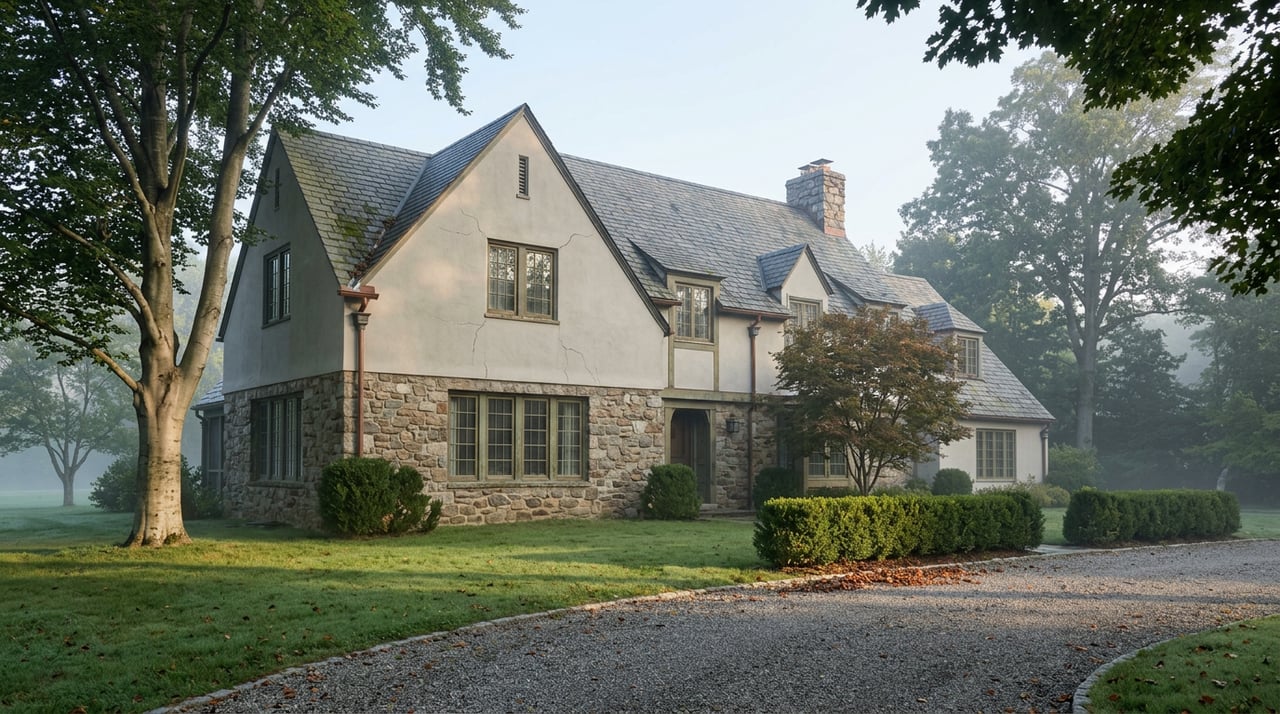
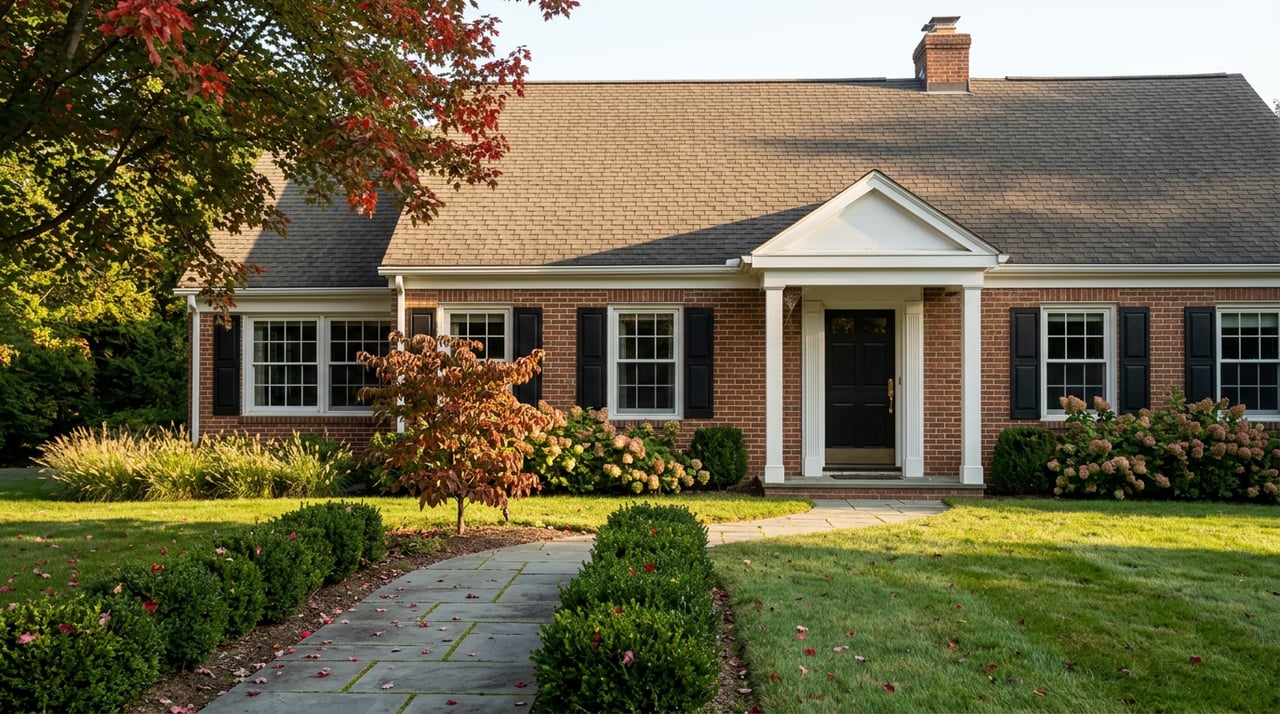
In Pennington, aggressive modernization is often less helpful than context-sensitive improvement. Clean masonry, fresh paint where appropriate, well-maintained shutters, and a tidy entry can strengthen presentation without fighting the home’s original style.
If your house has older architectural details, highlight them. Buyers are often drawn to authenticity when it is paired with clean condition and a well-organized interior.
Plan ahead for borough requirements
Good listing prep is not only about appearance. It is also about timing and logistics.
Pennington does not require a Certificate of Occupancy for the sale of a residential property, but sellers do need to complete a house inspection, fire inspection, and final meter read before closing. That means it is wise to prepare well before your target listing date.
Check permits before making improvements
If you are considering pre-listing work, confirm whether a construction permit is required before hiring contractors. Pennington notes that permits may be needed for additions, alterations, basement refinishing or remodeling, air conditioning, alarms, and other work that changes the footprint, lot coverage, or use of the space.
This is one reason a measured prep plan works well. Smaller cosmetic improvements are often easier to manage, easier to schedule, and easier to align with your listing timeline.
A practical Pennington seller-prep checklist
Before your home is photographed and launched, work through these essentials:
- Declutter every room, especially visible surfaces
- Remove extra furniture that makes spaces feel smaller
- Depersonalize décor so buyers can focus on the home
- Deep clean floors, windows, baths, and kitchen surfaces
- Repair visible wear such as chipped paint, loose handles, or cracked caulk
- Open blinds and maximize natural light
- Refresh the front entry and curb appeal
- Prioritize the living room, primary bedroom, and kitchen for staging
- Confirm permit needs for any planned improvements
- If applicable, check Historic Preservation Commission requirements for street-facing exterior changes
- Plan ahead for the borough’s inspection and final meter-read steps before closing
Standout marketing starts before listing day
The strongest marketing is built on preparation, not last-minute fixes. When your home is clean, edited, well-repaired, and true to Pennington’s architectural context, professional photography and virtual tours can do their job much more effectively.
That is especially true in a place where charm and presentation often go hand in hand. A thoughtful seller-prep strategy can help your home look more compelling online, show more confidently in person, and support a smoother path from listing to closing.
If you are thinking about selling in Pennington and want a measured plan for what to improve, what to leave alone, and how to position your home for standout marketing, Maura Mills can help you create a strategy tailored to your property and timing.
FAQs
What rooms should you stage first when selling a Pennington home?
- Start with the living room, primary bedroom, and kitchen, since buyers’ agents identified those as the most important rooms to stage.
Do professional listing photos matter for a Pennington home sale?
- Yes. Photos are one of the most important listing assets, and strong visuals can influence whether buyers decide to schedule a showing.
Should you rely on virtual staging alone for a Pennington listing?
- Usually not. Traditional physical staging was rated as more important than virtual staging by buyers’ agents, so in-person presentation still matters.
Should you fully renovate a historic Pennington home before selling?
- Usually no. In Pennington, restrained, context-sensitive improvements often make more sense than aggressive modernization, especially for homes affected by historic district review.
What borough steps should Pennington sellers plan for before closing?
- Pennington sellers should plan for a house inspection, fire inspection, and final meter read, even though a residential sale does not require a Certificate of Occupancy.