Imagine starting your day with a five-minute walk to coffee, a quick stop at the library, and an easy hop on the Dinky for your commute. If you’re picturing a place where errands, parks, and culture sit close together, Princeton’s in-town neighborhoods deliver that daily rhythm. In this guide, you’ll see how life flows here, what housing looks like, how to plan for commutes and costs, and tips for deciding if it fits your family. Let’s dive in.
What daily life feels like
Princeton’s in-town area centers on Nassau Street, Palmer Square, and the tree-lined blocks surrounding campus. It feels like a blend of college-town energy and a polished small downtown. Many daily needs sit within a 5–15 minute walk, which is why central Princeton is often described as very walkable. You can verify walkability insights with resources like Walk Score.
Weekday mornings are active but manageable. You see university staff and local professionals walking to offices, families handling school drop-offs, and commuters heading to the Dinky for NJ Transit connections. Midday brings steady foot traffic to cafés and shops, while the Princeton Public Library buzzes with community programs. Evenings and weekends often mean performances at McCarter Theatre or campus events at Princeton University, plus easy outdoor time on nearby paths and parks.
Getting around in-town
Walking is the default for short errands, and many residents keep one car or none at all. The Princeton Branch “Dinky” connects central Princeton to Princeton Junction, where NJ Transit trains run along the Northeast Corridor. Typical travel time to New York Penn Station from Princeton Junction is about 60–90 minutes, depending on service and connections. Factor in the short Dinky ride and transfer time when planning.
Biking is common thanks to local lanes and paths, and the D&R Canal towpath offers a scenic, low-stress route for rides or runs. For weekend trips, regional highways provide quick access to Mercer County and beyond. Parking downtown is managed by the municipality and can be tight at peak times, so review permit and lot options on the Princeton municipal site.
Parks and outdoor spaces
You have a mix of small greens and larger regional options close by. Marquand Park, neighborhood playgrounds, and the Palmer Square green are walkable for quick play or a picnic. The D&R Canal State Park towpath runs along town for biking, running, or quiet walks. For bigger outings, Herrontown Woods and Princeton Battlefield State Park are short drives, and you can explore statewide resources through the New Jersey Department of Environmental Protection.
Shopping, groceries, and dining
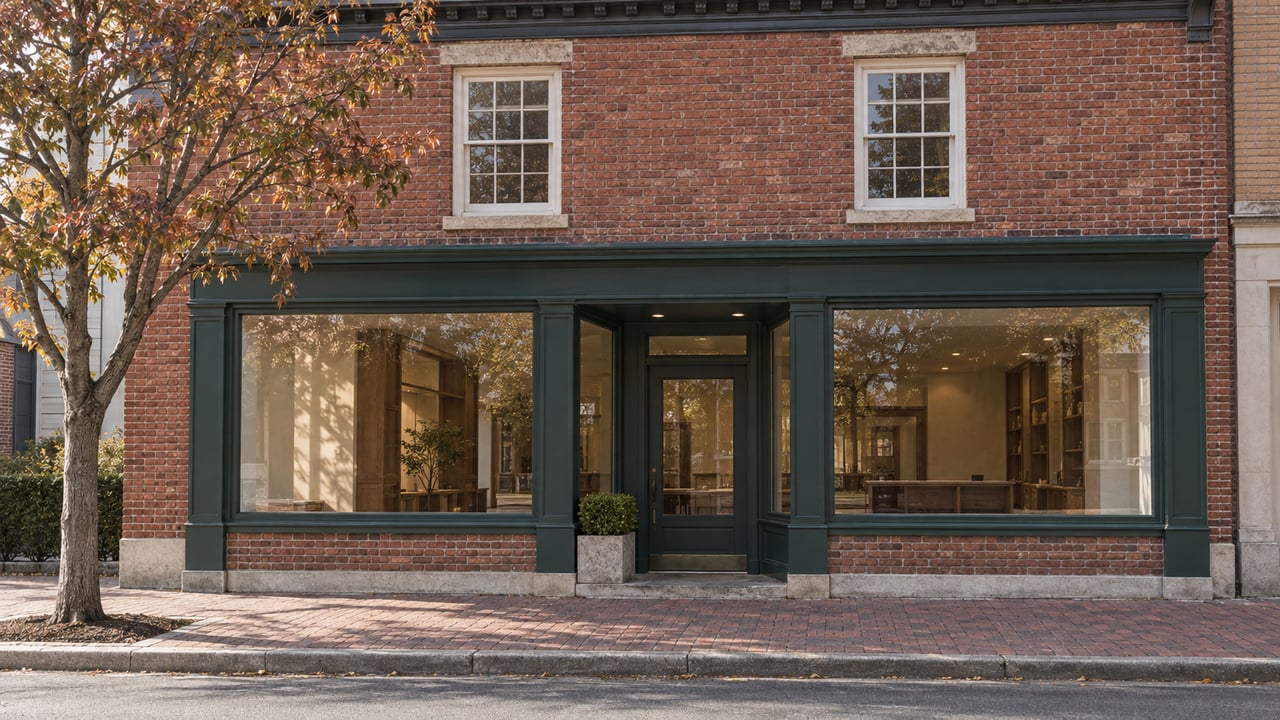
Nassau Street and Palmer Square host a balanced mix of independent boutiques, national retailers, and a wide range of dining options from casual to special-occasion spots. You can pick up daily staples at nearby markets and specialty food stores, then do larger grocery runs with a short drive if needed. A seasonal farmers market brings local produce and prepared foods to the heart of town. The result is a convenient routine that keeps most errands close to home.
Schools, childcare, and healthcare
Princeton Public Schools serve the municipality and are known for strong academic and extracurricular offerings. For current enrollment details, calendars, and district information, visit Princeton Public Schools. You’ll also find a range of private and independent schools in the region. Childcare and preschool options are available in and near downtown, though demand is high and waitlists are common, so plan ahead.
Healthcare access is straightforward. Primary and specialty care practices operate in town and nearby, and Penn Medicine Princeton Medical Center serves as the primary regional hospital. Urgent care options are within a short drive.
Housing types and budget expectations
In-town Princeton offers classic choices and a few newer options:
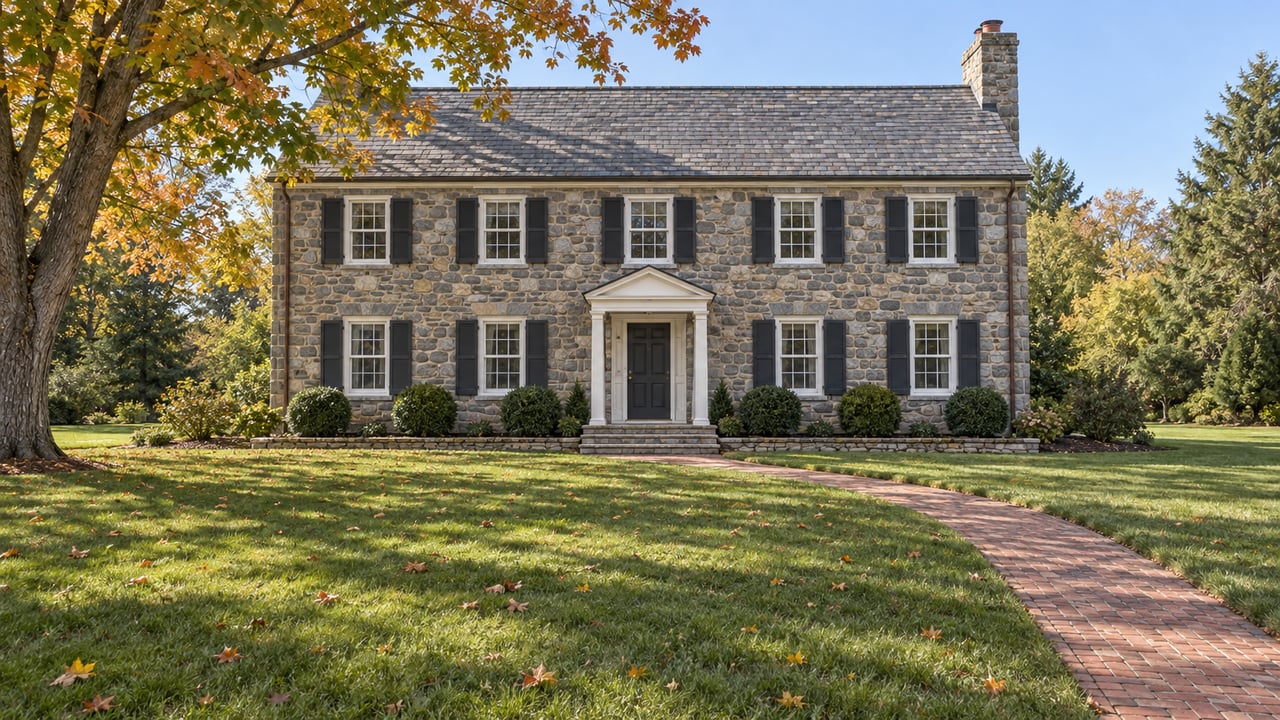
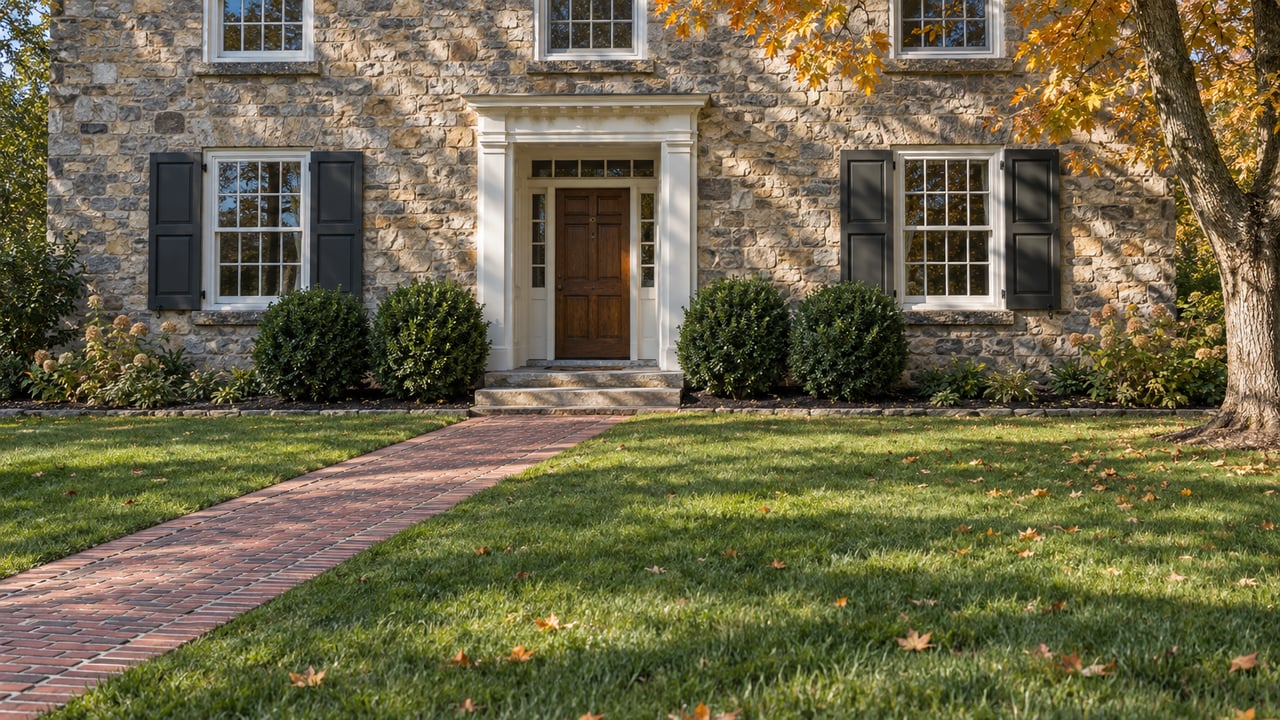
- Historic single-family homes. Many Colonial, Victorian, and early 20th-century properties on smaller lots with period details.
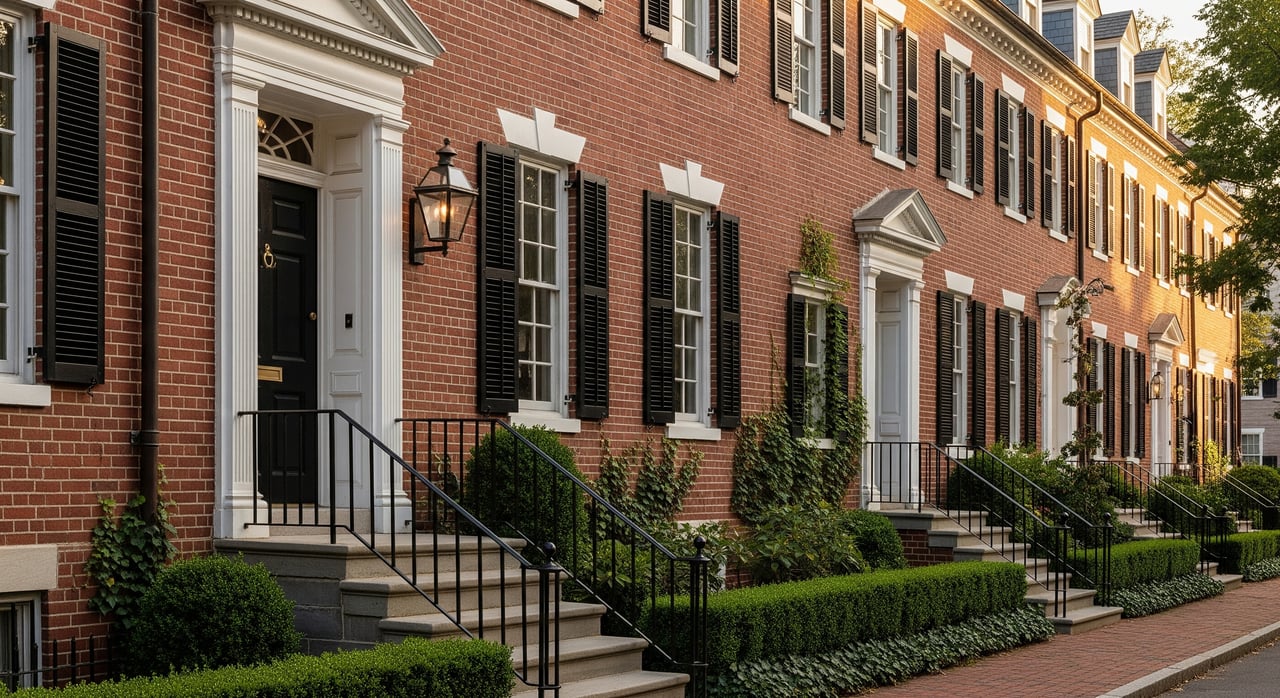
- Rowhouses and townhouses. Brick and attached homes provide a traditional “town” feel close to amenities.
- Condominiums and apartments. A significant share of the in-town stock, including converted historic buildings and small complexes.
- Select newer infill. Occasional new condo or townhome projects focus on convenience and low maintenance.
Prices reflect location and limited inventory. As of the 2023–2024 context, small 1-bedroom condos often start in the lower hundreds of thousands and can rise into the mid six figures and above, depending on size and finish. Two to three-bedroom condos and townhomes commonly range from the mid six figures into the low millions for larger or finely finished units. Detached single-family homes in the in-town zone often begin around $1 million for smaller or fixer properties and reach several million for larger, renovated historic homes in premier locations. Inventory is tight in spring and well-presented homes can move quickly.
Beyond the purchase price, plan for carrying costs. New Jersey’s property taxes are among the nation’s highest, which can materially impact your budget. For context and statewide comparisons, see the Tax Foundation. Older homes may require more frequent maintenance and updates, while condos typically include association fees that cover building services and reserves.
Practical tips for relocating
- Test your commute. Ride the Dinky and connect with NJ Transit at typical travel times so you can gauge transfers and platform waits.
- Check parking and storage. Confirm whether a home includes off-street parking, a garage, or access to on-street permits via the municipal site. Storage for bikes and strollers can matter in attached homes and condos.
- Walk your daily routine. Map the routes from a prospective home to coffee, markets, the library, and parks at different times of day.
- Plan for school and childcare timelines. Review enrollment steps with Princeton Public Schools and inquire early with childcare providers.
- Budget for upkeep. For historic homes, include an annual maintenance reserve, and review condo association documents for fee history and reserves.
Is in-town Princeton right for you?
Choose in-town if you value walkable routines, cultural access, and a shorter list of weekly car trips. Expect premium pricing, smaller lot sizes, and competition for well-located homes. If you need more space or parking, nearby suburban neighborhoods may offer larger yards while keeping you close to downtown amenities. The right fit comes down to how you want to spend your days and what tradeoffs feel worth it.
If you’re weighing options or want a tailored plan for your search, connect with Maura Mills for a thoughtful, data-informed consultation aligned with your goals.
FAQs
Is downtown Princeton walkable for daily needs?
- Yes, most in-town homes put cafés, shops, the library, and many services within a short walk, with larger grocery trips sometimes handled by a quick drive or transit.
How long is the commute to NYC from Princeton?
- Plan about 60–90 minutes from Princeton Junction to New York Penn Station on NJ Transit, plus the short Dinky ride and transfer time.
What are typical in-town housing options in Princeton?
- You’ll see historic single-family homes on smaller lots, townhouses and rowhouses near the core, and a wide range of condos and small apartment buildings.
What should I budget for in addition to mortgage?
- Include New Jersey property taxes, homeowners insurance, utilities, and for condos, association fees; older homes may need higher maintenance reserves.
How are public schools in Princeton?
- Princeton Public Schools have a strong reputation and a range of programs, and you can review current district details and calendars on the PPS website.
What should I know about parking for in-town homes?
- Many in-town properties lack driveways, so confirm on-street permit options or nearby lot access and consider peak parking times during events.