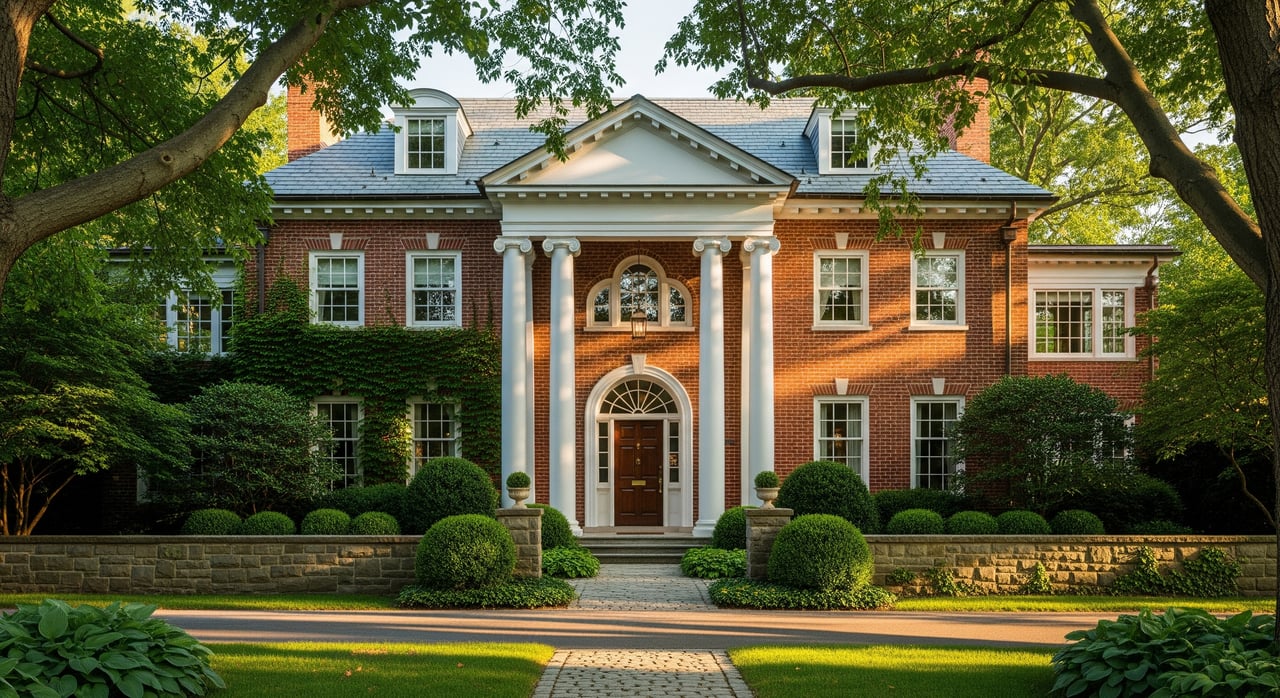
Trading subway stops for tree-lined streets, more space, and a top-tier college town vibe sounds great—until you start planning the details. If you’re moving from NYC to Princeton, you’re likely juggling commute questions, neighborhood fit, school timing, and a new kind of home search. This practical guide gives you clear steps, local context, and trusted resources to make the transition smoother. Let’s dive in.
Why Princeton works for NYC movers
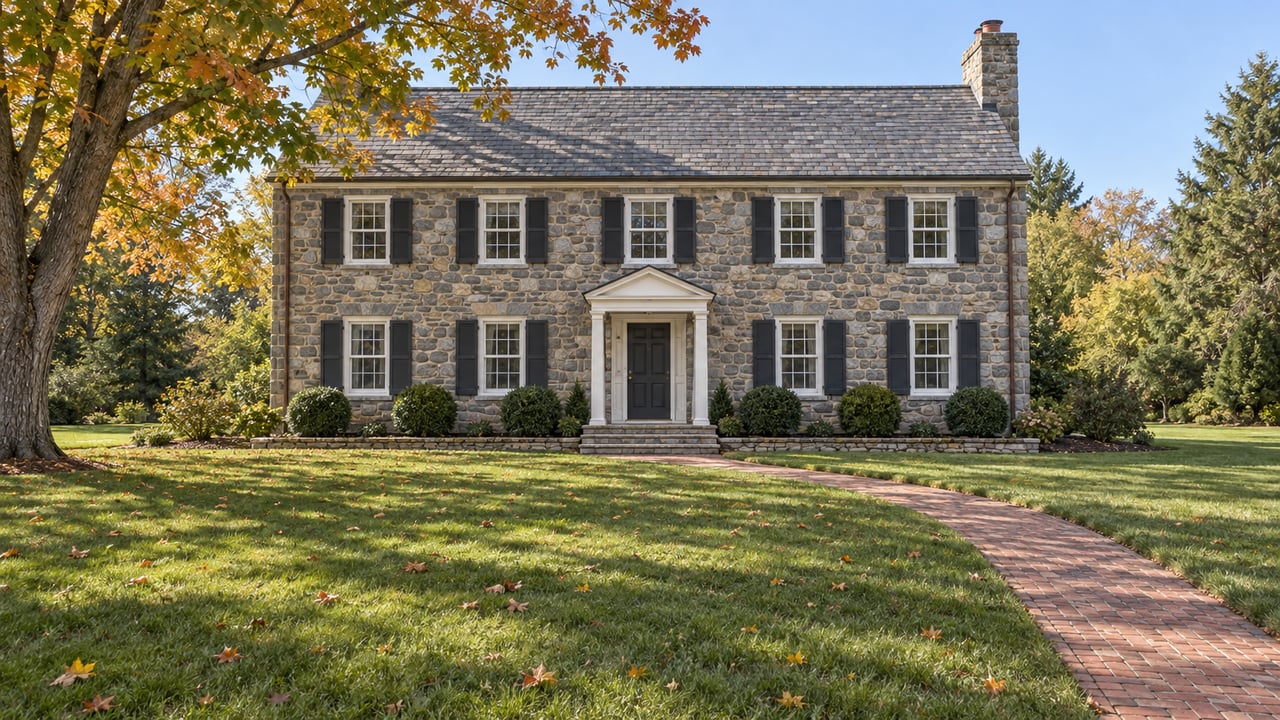
Princeton offers a small-town feel with a sophisticated downtown, anchored by Princeton University and Palmer Square. You’ll find a wider mix of housing than in the city, including single-family homes with yards, townhomes, and condos close to shops and cafés. Many movers appreciate the space, quiet streets, and easy access to parks and cultural events.
Total cost is different here. New Jersey’s property taxes are among the highest in the country, so budget for a larger annual tax bill compared with many NYC condos. For context on New Jersey tax burdens, review the statewide comparisons from the Tax Foundation. Ownership costs vary by municipality and assessed value, so always check the specific property’s tax history.
Getting to NYC: commute options
You’ll want to test your exact route during the hours you plan to travel. Reliability and timing change by season and schedule.
NJ Transit Northeast Corridor
Most commuters take NJ Transit from Princeton Junction to New York Penn Station. The local Princeton Branch, known as the “Dinky,” connects downtown Princeton to Princeton Junction. Check current schedules, fare zones, and parking details on the NJ Transit site. Permit parking can have waitlists, and there are daily lots and drop-off options, plus bike racks.
Plan for roughly 1 to 1.5 hours door-to-door to Midtown, depending on where you live in Princeton, train type, and transfer times. Try an express and a local train during peak hours to see the real-world difference.
Amtrak at Princeton Junction
Some Amtrak Northeast Corridor trains stop at Princeton Junction, which can help for occasional trips or off-peak travel. Schedules are limited, and most daily commuters use NJ Transit for frequency and cost. Review station details on Amtrak’s Princeton Junction page.
Commuter bus options
Private commuter coaches run from Princeton and nearby towns to Midtown. Schedules are typically focused on weekday peaks. Explore routes and service updates with providers like Academy Bus to see if a direct coach fits your schedule and destination.
Driving to Manhattan
Driving can work, but it is highly variable. Traffic, bridge and tunnel congestion, and Manhattan parking costs often make the train faster. If you do drive, factor in tolls, garage fees, and time-of-day restrictions. Some commuters drive to a park-and-ride or a different train station to simplify the trip.
Last-mile tips
Princeton is walkable and bike-friendly within town. For the station, many households combine the Dinky, drop-offs, biking, or rideshare for the last mile. Build this into your morning routine before you commit to a neighborhood.
Neighborhood fit: what to expect
Each Princeton-area neighborhood has a different balance of space, walkability, and access to the station. Here is a broad orientation to help you refine your search.
Downtown and Palmer Square
If you want cafés, restaurants, and shops outside your door, start here. Housing includes condos, townhomes, and some historic homes with character. You’ll have quick access to the university, arts venues, and the Dinky to Princeton Junction.
North Princeton
North of downtown, you’ll find quiet residential streets and larger lots. Housing skews single-family, with more interior space and yards. It’s a calm setting while still being a short drive or bike ride to downtown and the station.
West Windsor and Plainsboro
These adjacent towns are popular with commuters for access to Princeton Junction. Expect a range of subdivisions and townhomes, plus newer construction in some areas. If your top priority is station proximity and predictable commuting, include these in your tour list.
Lawrence Township and Hamilton
These Mercer County communities offer traditional suburban neighborhoods and, in some cases, more budget flexibility. The drive to downtown Princeton is longer, but you may gain more space or a newer home at a given price point.
Note: Municipal boundaries and school assignments matter. If schools are part of your decision, verify attendance zones directly with the district before you finalize a purchase.
Schools and enrollment basics
Princeton Public Schools are widely recognized, and the area also includes several independent schools. If schools are a priority, start early with boundary maps, enrollment steps, and application timelines. Visit the Princeton Public Schools site for district information and to confirm current boundaries.
For statewide standards and resources, review the New Jersey Department of Education. Private schools may have deadlines early in the calendar year for fall entry, so plan your search to align with admissions cycles.
Buying vs. renting: timelines and process
A suburban search feels different from a typical NYC apartment hunt. Showings are often scheduled, inspections are more involved, and due diligence can take longer.
Typical buying timeline
A well-prepared buyer often needs 3 to 6 months from the start of the search to closing. A common flow looks like this:
- 1 to 3 weeks: set budget, get pre-approved, choose your agent.
- 2 to 12 weeks: tour homes, refine neighborhoods, make offers.
- Offer to contract: usually days to a week of negotiation.
- Contract to close: often 30 to 60 days, depending on mortgage, appraisal, and inspection items.
For national context on buying sequences and steps, see guidance from the National Association of Realtors.
Renting timeline
Expect 2 to 8 weeks from search to move, depending on season and availability. Downtown condos and townhomes can turn over quickly around academic cycles.
Key differences from NYC searches
- Expect detailed inspections. In addition to general home inspections, you may need radon testing and, in some outlying homes, well and septic evaluations.
- Budget for property taxes and homeowners insurance. Premiums vary by home age, materials, and location.
- Flood considerations. Some properties are in or near flood zones; order a flood-zone determination and consider flood insurance if needed.
Costs and local practicalities
Property taxes and assessments
New Jersey’s property taxes are significant and vary by municipality and assessed value. Review the specific property’s current tax bill and ask about its assessment history. For statewide comparisons and context, visit the Tax Foundation’s property tax resources.
Historic districts and renovations
Homes near downtown and in designated historic areas can be subject to exterior design review and permitting. Before planning additions or façade changes, confirm requirements with the municipality. Start with the Princeton municipal site for planning and permitting information.
Parking, permits, and services
Downtown neighborhoods have local parking rules and snow plans that differ from NYC. For commuters, Princeton Junction’s parking demand and permit programs change over time, so check updates at NJ Transit. For utilities, trash and recycling, or local services, use the Princeton municipal site and Mercer County government resources.
University and seasonal rhythms
University calendars influence traffic, events, and short-term housing demand near campus. During major events, expect busier streets and tighter hotel and rental availability.
Step-by-step relocation plan
Follow this sequence to keep your move on track:
- Define budget and monthly comfort. Include mortgage, taxes, insurance, utilities, and commute costs.
- Get pre-approved by a lender experienced in Mercer County. You’ll move faster when the right home appears.
- Engage a local agent early. A Princeton-focused advisor can tailor neighborhoods to your commute, school, and lifestyle needs.
- Shortlist neighborhoods. Balance station access, space, and walkability. Keep nearby towns in play if they fit your goals.
- Test the commute. Run it during your intended work hours. Compare express and local trains.
- Plan an on-the-ground visit. Tour homes, walk downtown, and visit on both a weekday and weekend.
- Use remote tools as needed. Virtual tours and video walkthroughs help if you’re still in NYC.
- Structure your offer for success. Discuss contingencies, timing, and negotiation strategies in advance.
- Schedule inspections. Include general, HVAC, radon, and well/septic where applicable. Budget time for follow-up.
- Coordinate move logistics. Choose movers familiar with NYC building rules, elevator reservations, and loading docks.
- Align school and childcare timing. Start public school steps with Princeton Public Schools or relevant districts, and note private school deadlines.
- Set up utilities and services. Contact providers and review local services through Princeton’s municipal site and Mercer County.
How a local advisor adds value
A seasoned Princeton agent helps you avoid common pitfalls and move with confidence. You get clarity on micro-neighborhoods, realistic commute expectations, school timing, and property-specific considerations like historic review or system inspections. You also benefit from sharp pricing guidance, negotiation strategy, and premium presentation if you need to sell in NYC before buying.
If you’re ready to map out a tailored plan—from first tours to closing coordination—reach out to Maura Mills to Request a Personalized Consultation.
FAQs
How long is the Princeton-to-NYC commute?
- Most commuters see roughly 1 to 1.5 hours door-to-door by train, depending on origin, train type, and transfer times; driving often takes longer during peak periods.
Do I need to test the commute before I buy?
- Yes. Run your route during your real work hours and try different trains; check schedules, fares, and parking updates on the NJ Transit site.
Should I rent first when moving from NYC?
- Renting for a few months helps you test neighborhoods and commute patterns before committing to a purchase, especially if school or timing is uncertain.
How long does buying take in the Princeton area?
- Plan on 3 to 6 months from search to closing, with contract-to-close commonly 30 to 60 days; see the National Association of Realtors for process guidance.
What should I know about property taxes in New Jersey?
- Taxes are high relative to many states and vary by municipality and assessed value; review the specific property’s tax bill and see statewide context from the Tax Foundation.
Where can I find local permits and services?
- Use the Princeton municipal site for permits, utilities, and local services, and the Mercer County government site for county resources.