Torn between West Windsor and Princeton? You’re not alone. Both offer strong Northeast Corridor access and a refined suburban feel, but the day-to-day experience can be very different. In this guide, you’ll get a clear, side-by-side look at commute options, housing styles and prices, everyday amenities, and ownership costs so you can choose with confidence. Let’s dive in.
Quick snapshot: price and vibe
Princeton is generally the pricier option. As of January 2026, a Redfin market snapshot placed Princeton’s median sale price around $1.04M. Recent West Windsor snapshots cluster in the high six figures, often around $0.78–$0.85M, depending on neighborhood and updates. Prices vary by location within each town, so use these as broad signals and verify with current listings.
Lifestyle differs too. Princeton delivers a compact, highly walkable college-town core with dining, culture, and errands close together. West Windsor leans suburban and car oriented, with larger lots, newer subdivisions, and parkland, plus direct proximity to Princeton Junction for commuters.
Commute options compared
Rail to NYC and Philadelphia
Princeton Junction, located in West Windsor, is the primary regional hub on the Northeast Corridor. NJ TRANSIT trains and some Amtrak regional services stop here, offering direct rail options to New York Penn Station, Newark, New Brunswick, and Trenton. Review station details, parking, and permits on the official Princeton Junction station page.
If you live in Princeton proper, the short Princeton Branch shuttle known as the “Dinky” connects downtown to Princeton Junction in about five minutes. Schedules are coordinated with Northeast Corridor trains, which helps streamline the transfer for Princeton residents. You can confirm timing and service notes on NJ TRANSIT’s Princeton Branch page.
Door-to-door timing depends on your departure. Typical rail trips from Princeton Junction to New York run roughly 60–75 minutes depending on the train and time of day. For reference, see aggregate travel times summarized on Rome2Rio’s Princeton Junction to New York page and always confirm live schedules.
Driving and bus service
Both towns rely on the same regional arteries, including Route 1 and I-295 with New Jersey Turnpike access nearby. Rush-hour drive times to Midtown can range from about 60 to 90 minutes or more depending on traffic. Princeton also has commuter and private-bus options from downtown that change seasonally; you can scan transit references for central Princeton via WalkScore’s Princeton view.
Local planning highlights an important nuance. Princeton’s downtown is designed to be more pedestrian oriented, while West Windsor is more auto oriented with neighborhood development tied to the station. The township’s planning documents provide helpful context on land use and circulation in West Windsor’s Master Plan materials.
Parking and first or last mile
If you expect to drive to the train, Princeton Junction is a true park-and-ride with daily and permit lots. West Windsor neighborhoods near the station can cut your morning travel time to the platform. Princeton’s downtown has metered and garage options, which can work well if you plan to use the Dinky shuttle rather than parking at Princeton Junction.
Housing styles and what your budget buys
Princeton housing mix
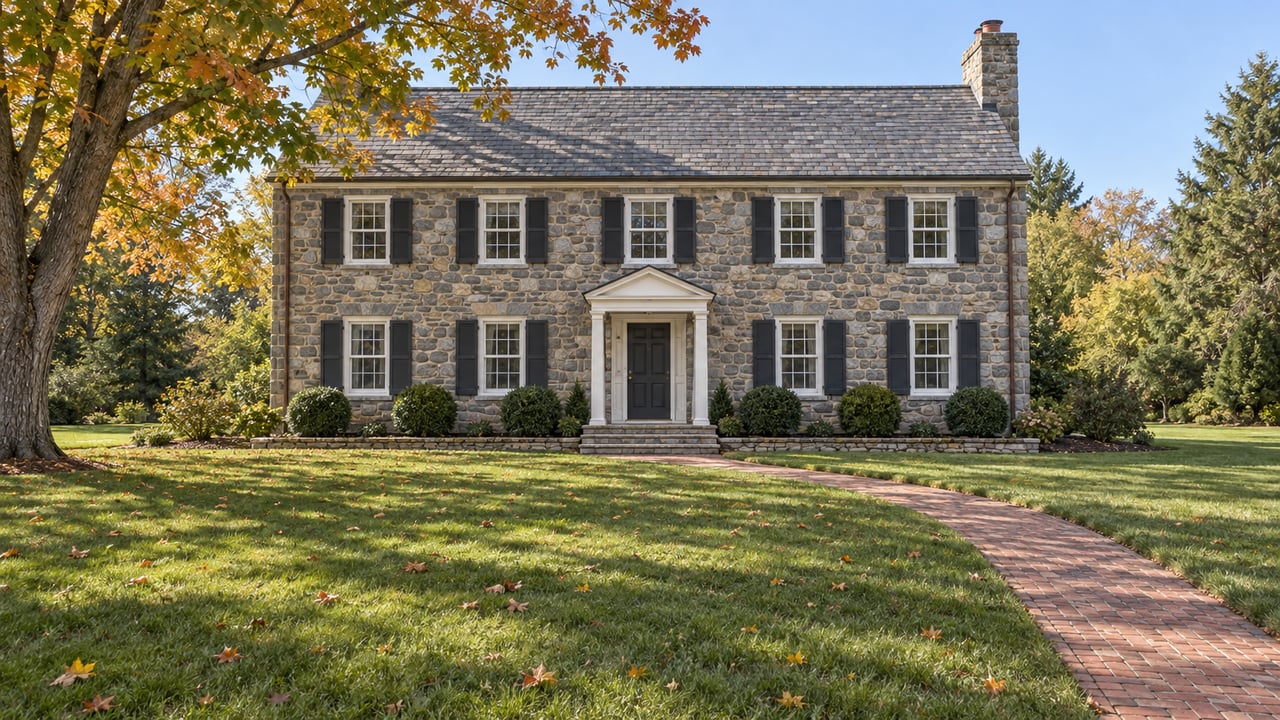
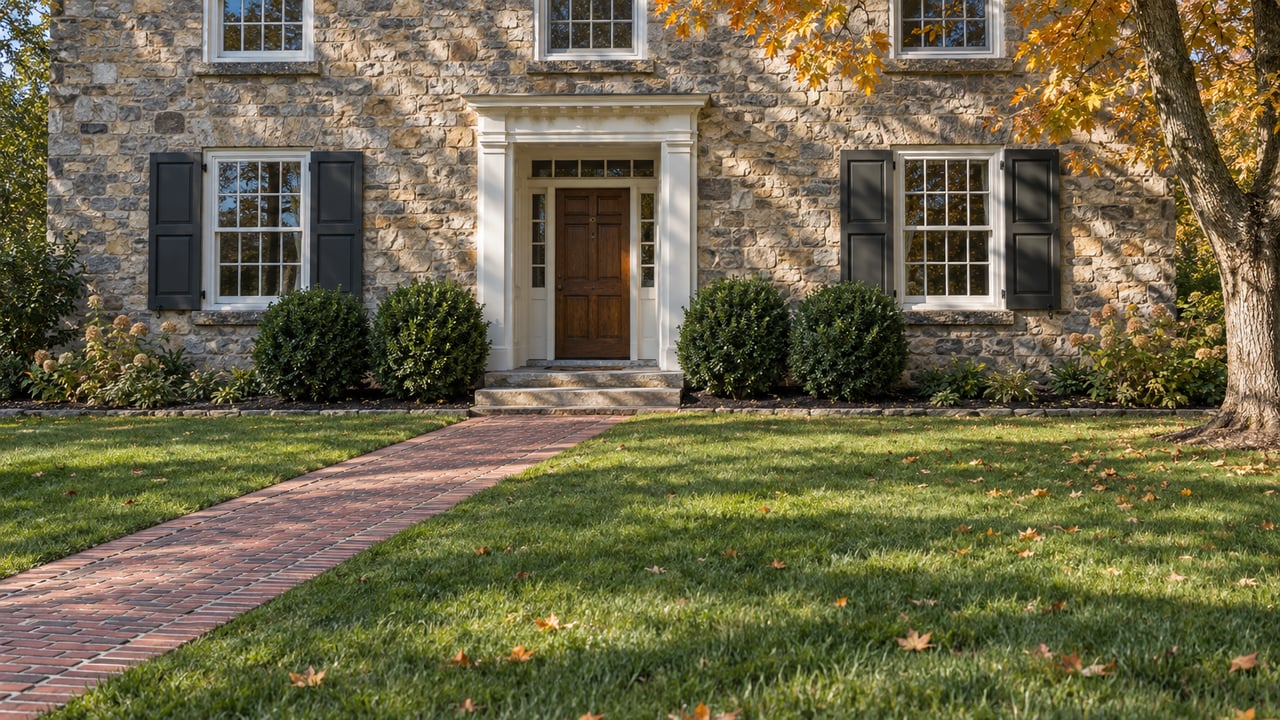
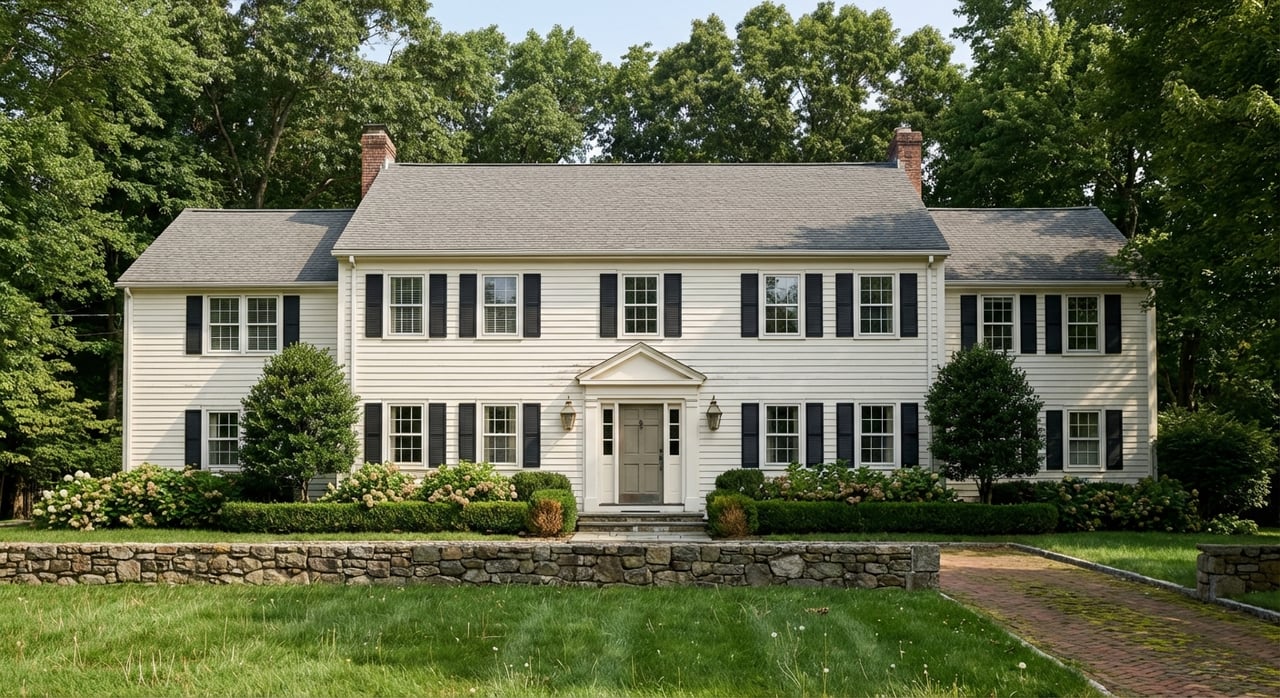
Princeton offers a blend of historic and infill homes close to the university and Nassau Street. You’ll find older townhouses and single-family homes with Colonial, Federal, and Victorian influences, as well as condos and select newer residences. Buyers drawn to Princeton’s core often trade lot size for walkability and culture. For context on preservation and historic character, see Preservation New Jersey’s Princeton overview.
West Windsor housing mix
West Windsor’s growth accelerated from the 1970s onward, with planned subdivisions, classic colonials, split-levels, newer townhomes, and commuter-friendly areas near Princeton Junction. Many buyers prioritize interior square footage and yard space, with errands typically done by car. You can explore land-use and neighborhood development themes in the township’s Master Plan materials.
Price context and variability
Expect Princeton’s median to sit well above West Windsor’s on average. As of January 2026, Redfin’s snapshot places Princeton near $1.04M. Recent West Windsor snapshots commonly land around $0.78–$0.85M. Within-town spreads are wide, so downtown condos, Princeton’s western estates, and West Windsor’s Princeton Junction area can all deviate from these medians.
Everyday amenities and lifestyle feel
Downtown Princeton walkability and culture
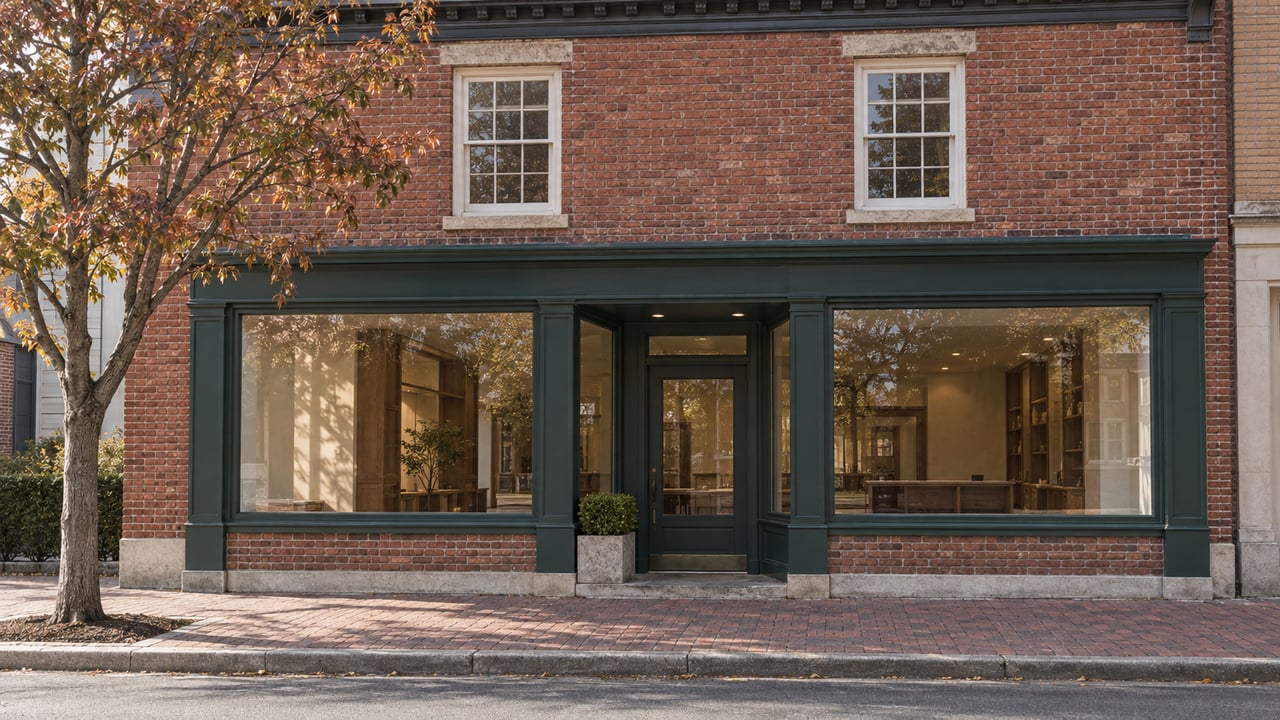
If you value evenings out and short errands on foot, central Princeton is compelling. You’ll find restaurants, cafés, boutiques, and cultural venues near Palmer Square and Nassau Street. A quick browse of Palmer Square’s directory gives you a feel for the dining and retail density.
West Windsor parks and everyday convenience
West Windsor offers a classic suburban rhythm: parks and recreation, family programming, and neighborhood green space. Retail tends to be along major corridors with quick access to Route 1 shopping and services. The township site provides a broad view of amenities and programming at westwindsortwp.gov.
Healthcare, groceries, and services
Both towns are served by Penn Medicine Princeton Medical Center in nearby Plainsboro, the primary regional hospital. Learn about services and visitor details from Penn Medicine’s Princeton Medical Center page. Specialty grocers and shops cluster in downtown Princeton, while big-box and grocery options are a short drive from many West Windsor neighborhoods.
Cost of ownership beyond list price
Property taxes
New Jersey’s municipal tables show Princeton’s average residential tax bill is typically higher than West Windsor’s by several thousand dollars per year. Always confirm the latest averages and calculate your estimated bill based on assessed value using the state’s official NJ DCA property tax tables. Small differences in assessment or exemptions can change outcomes.
Other recurring costs to check
If you are considering a townhome or condo, review HOA fees and what they cover. Daily or permit parking at Princeton Junction is another line item for many commuters. Also review municipal services and utilities where relevant. Start with NJ TRANSIT’s Princeton Junction station details and the West Windsor township site for local program references.
A simple decision framework
- Shortest rail commute and easy station access: Choose West Windsor near Princeton Junction for a one-seat Northeast Corridor ride and true park-and-ride convenience. See the Princeton Junction station page and West Windsor’s Master Plan overview.
- Walkable downtown lifestyle: Choose central Princeton if you want cafés, restaurants, and culture in a compact core, accepting a higher median price and smaller lots. Explore Palmer Square’s offerings.
- Predictable ownership costs: If annual taxes are a key constraint, compare both towns with the official NJ DCA municipal tax tables before bidding.
- Space versus convenience: If you prioritize yard space and newer interiors, focus on West Windsor subdivisions. If you want to minimize local driving for errands and enjoy evening cultural options, look at central Princeton neighborhoods.
Smart next steps
Define your commute tolerance. If a 5-minute shuttle transfer feels fine, Princeton stays in play. If you want the fastest station access, look closely at West Windsor near Princeton Junction.
Map your daily life. List your top 5 weekly errands or activities and note whether you want to walk, bike, or drive. That will clarify whether a downtown or suburban setting suits you best.
Align budget with neighborhoods. Use current listings to test-drive price bands against the styles you prefer and the median signals noted above.
Model annual costs. Pull the latest NJ DCA tables to estimate property taxes at your target price and add any HOA or parking fees relevant to your commute.
When you are ready for a tailored game plan, connect with Maura Mills for hyperlocal guidance on neighborhoods, pricing, and a search strategy that fits your lifestyle. Request a Personalized Consultation.
FAQs
Is West Windsor or Princeton faster for a NYC commute?
- West Windsor often has a small edge because Princeton Junction offers one-seat Northeast Corridor trains; Princeton riders usually add the 5-minute Dinky transfer or drive to the station.
How do home prices compare between West Windsor and Princeton?
- As of January 2026, Princeton’s median sale price sits near $1.04M, while West Windsor’s median typically falls in the high six figures around $0.78–$0.85M depending on neighborhood.
Is downtown Princeton walkable for daily errands?
- Yes. Central Princeton around Palmer Square and Nassau Street is compact and pedestrian friendly, though walkability varies by neighborhood and address.
Are property taxes higher in Princeton than West Windsor?
- State municipal tables show Princeton’s average residential tax bill is substantially higher; verify current figures using the NJ DCA property tax tables before you buy.